



Whether you’re mixing in your home studio, recording in a professional space or making beats on the go, having a reliable pair of headphones to work on is vital. But – ‘closed-back?’ ‘Impedance?’ What do these terms mean, and how should they factor into your decision when searching for the perfect pair?
Open-back vs. closed-back
When picking a set of headphones, you’ll want to decide whether to opt for closed or open-back.
Open-back headphones are often favoured for mixing. Their design allows air to pass through the ear cups to the driver, which, because pressure doesn’t build up, tends to create a more natural and spacious sound.
Closed-back headphones, on the other hand, offer better isolation. This makes them ideal if you’re recording or if you’re an engineer working in a live, noisy environment. They also have their place in mixing, particularly if you find yourself working in a noisy environment.
Impedance
In a nutshell, the higher the impedance of a set of headphones, the more power you need to make the drivers move and project audio. Consumer-grade audio gear, like your phone, offers weak amplification and so tends to work better with low-impedance headphones. For example, 32-ohm headphones will run fine off a laptop or phone, while 250-ohm models may need a headphone amp or audio interface to sound their best.
So, if they’re harder to drive, why on earth would you want a high-impedance set of headphones? Well, for one thing, they won’t blow out when you plug into something with more power, which includes a fair amount of pro-audio equipment.
The best all-purpose headphones at a glance:
Our top pick for mixing: RØDE NTH-100

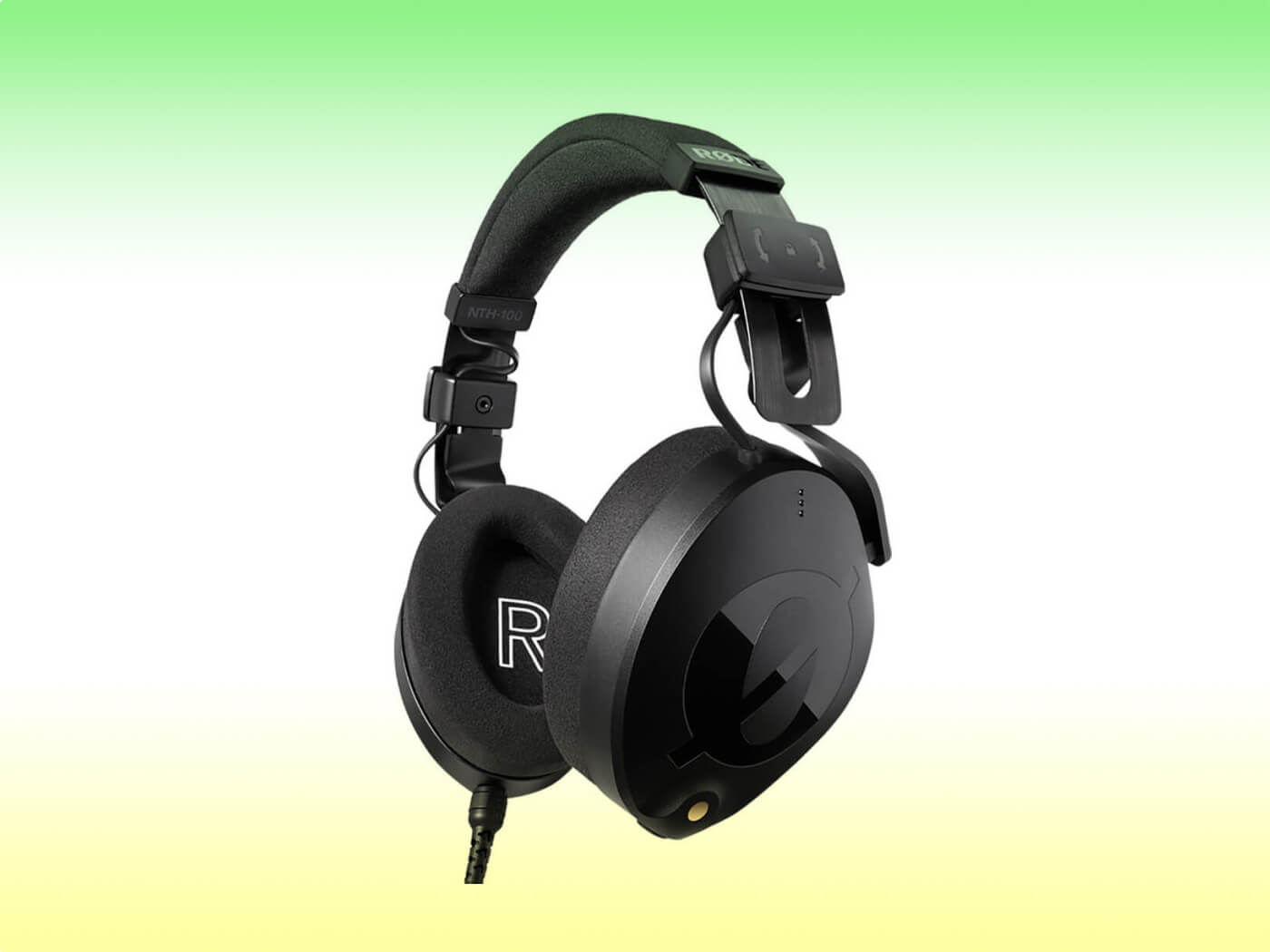

RØDE is best known for its line of respected, affordable microphones, but scored a flawless 10/10 in our review with its first pair of studio headphones, the closed-back NTH-100. Our reviewer, John Pickford, found no negatives, instead commenting on the full range and a transparent sound that doesn’t shy away from crucial mid-range detail like many headphones do. CoolTech-laden memory foam ensures max comfort, while the competitive price tag is another definite plus.
In our review, we said: “RØDE means business here. The beautifully contoured looks and fantastic functionality are only half the story… The NTH-100’s sonic abilities are nothing short of breathtaking.”
-
- Price: $149/£145
- Type: closed-back
- Impedance: 32 Ohms
- Frequency range: 5Hz – 35kHz
| Pros | Cons |
|---|---|
| Full range, transparent sound | |
| Deep and tuneful bass | |
| Accurate midrange voicing | |
| Sparkling, extended treble | |
| Extremely comfortable | |
| Superb value for money |
Loved by the industry: Beyerdynamic DT770 Pro X
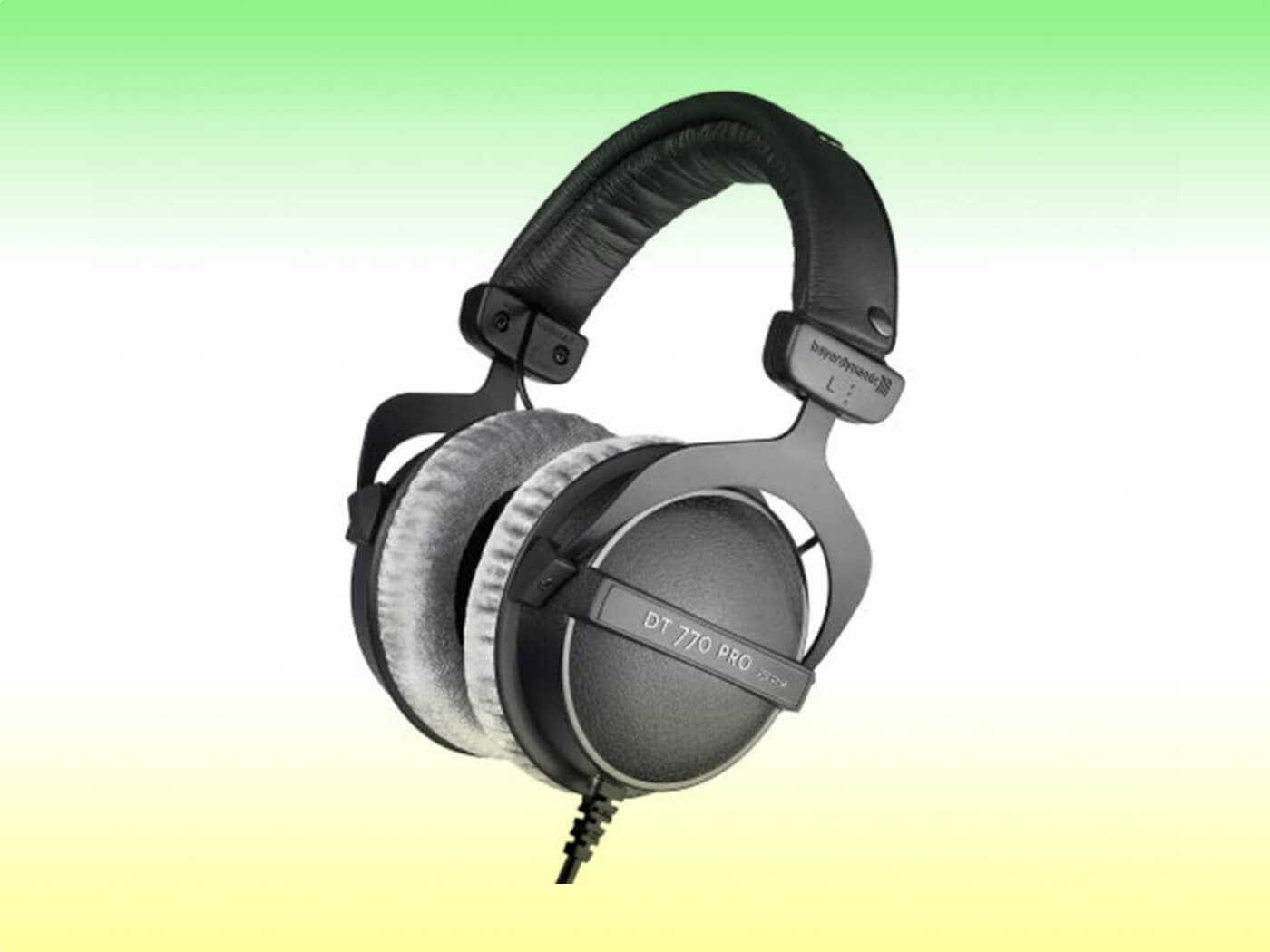
The closed-back D T770 Pro Xs from Beyerdynamic have been a reliable studio staple for many years, and for good reason. They offer decent isolation when tracking, their frequency response is not scooped or boomy like many closed-back competitors, and they’re comfortable and extremely reasonably priced. We’ve seen a pair of these in a ton of recording studios over the years, from lavish gear-laden spaces to barebones bedroom setups.
In our 9/10 review of the DT 770 Pro X Limited Edition, we said that “At this price, they have always been, and remain, a very easy recommendation and something of a steal.”
Pair these with Sonarworks’ SoundID Reference for Headphones, and you have a killer, articulate and calibrated monitoring set-up that sounds many times more expensive than the total spend.
- Price: $199/£169
- Type: Closed-back
- Impedance: 48 Ohms
- Frequency range: 5Hz – 40kHz
| Pros | Cons |
|---|---|
| Rugged build, great sound | Lack some bass for more casual listening |
| Can handle anything you throw at them | |
| Extremely good value | |
| Repairable | |
| Amazing stereo separation |
Most comfortable: Austrian Audio Hi-X65
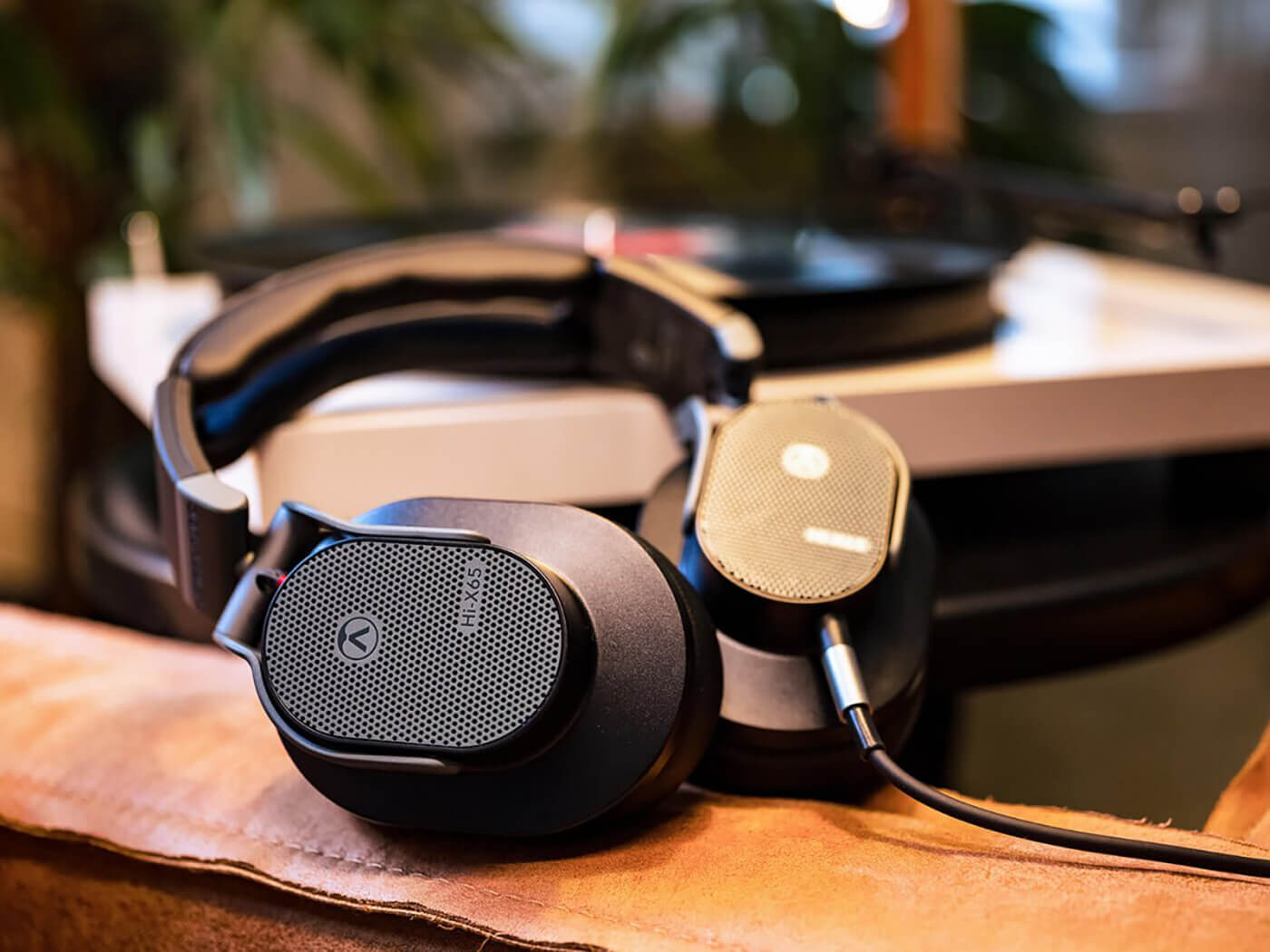
These open-back headphones from the ex-AKG team at Austrian Audio impress with their pinpoint clarity, accurate stereo field and articulate low-end. They immerse you within the music, revealing every important detail in a mix, master or influential commercial reference track. Their brightness takes some getting used to, but we find our personal headphones sound dull when swapping back to them.
These are among the most comfortable headphones we’ve ever tested, so much so that you tend to forget they’re even on your head. What’s more, all the memory foam ear cups and headband parts are user-replaceable, so you can tend anything worn or grubby after intensive use.
- Price: $399/£269
- Type: open-back
- Impedance: 24 Ohms
- Frequency range: 5Hz – 28kHz
Great for revealing a bad mix: Sony MDR-M1


A more affordable version of the beloved MDR-MV1 headphones, Sony’s wired reference cans cost around half as much while offering performance that’s pretty close in everyday listening scenarios. In our review, we praised the headphones’ neutral, clean and open sound, crazy wide frequency response and comfort when wearing for long listening sessions.
Being closed back in design, they boast minimal sound leaking, which is helpful for studio and recording use. Meanwhile, their precise drivers reveal deficiencies in imperfect mixes and masters, allowing you to improve your tracks. As well as being great to mix and master on, they are also very suitable for everyday studio use and general listening, presenting a balanced and uncoloured soundstage to give you a true picture of what’s going on in your audio.
- Price: $248/£211
- Type: Closed-back
- Impedance: 50 Ohms
- Frequency range: 5Hz – 80kHz
| Pros | Cons |
|---|---|
| Affordable compared to similar quality models | Overly bright upper mids at higher volume |
| Ultra-wide frequency response | |
| Comfortable for long sessions | |
| Clean, neutral and open sound |
Find out more at Thomann.
Affordable planar magnetic: Audeze MM-100

Want a taste of premium-grade headphones at a fraction of the price? High-end headphone designer Audeze blew us away with its MM-100 open-backed planar magnetic headphones when we reviewed them. Priced at just £399 — an absolute steal for a pair from this company — we loved their premium fit and finish and praised the low impedance that makes them suitable for use with all kinds of hardware.
The 90mm transducers “offer great transient detail and rich low-end without the onset of distortion that could detract from critical details in the mix”, and while we found it necessary to tame the gritty high mids a little with external EQ, with a modicum of attention, the overall reproduction from these headphones is superb, and definitely warrants your attention even for mixing and mastering where precision is required.
- Price: £399/$399
- Type: Open-back
- Impedance: 18 Ohms
- Frequency range: 20Hz – 25kHz
| Pros | Cons |
|---|---|
| Excellent transient response across all frequencies | Voicing is too brash in the high-mids |
| Low impedance for playback from more devices | |
| Pleasing stereo imaging | |
| Comfortable to wear |
Best for DJ-producers: AIAIAI TMA-2

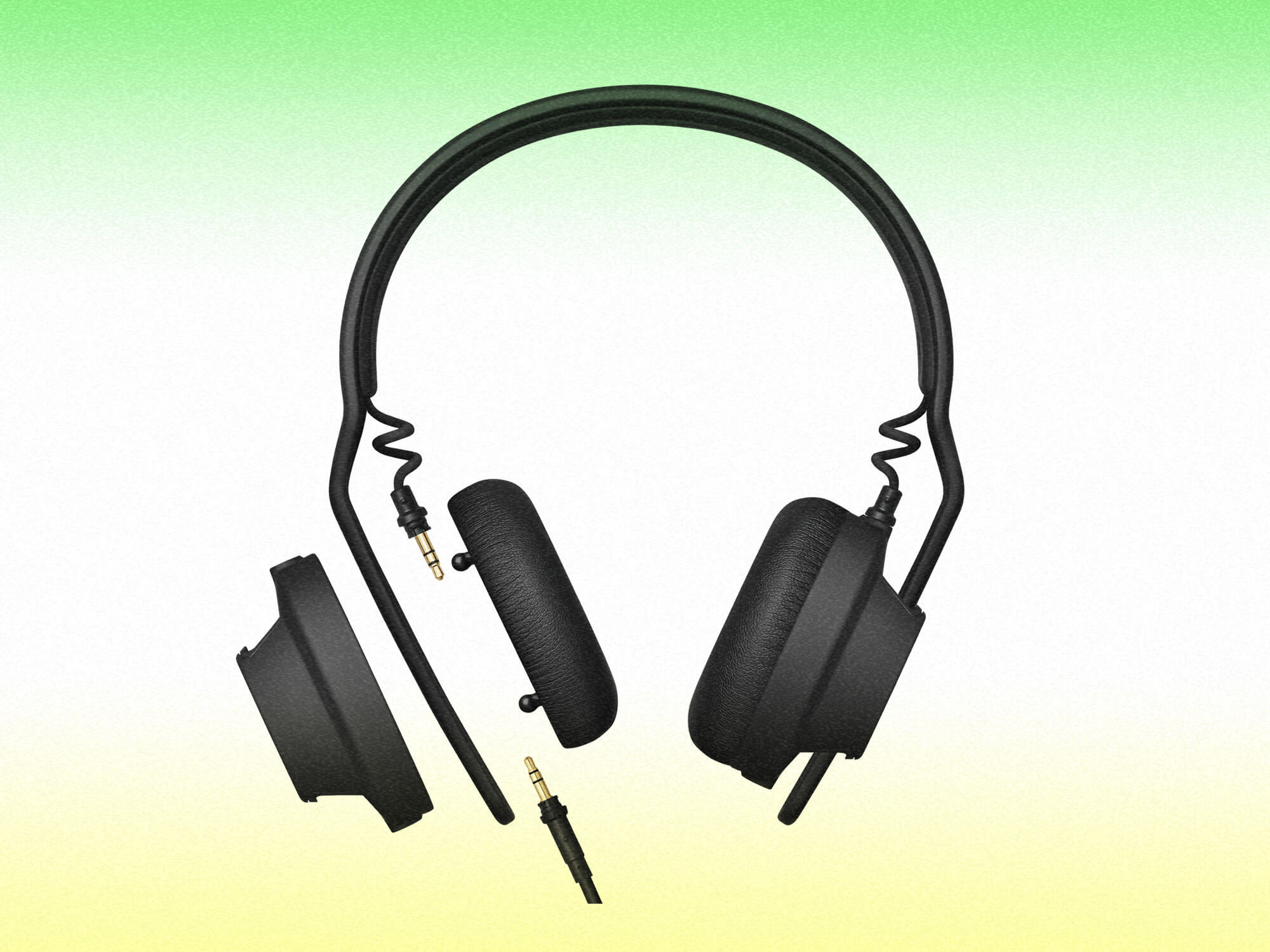
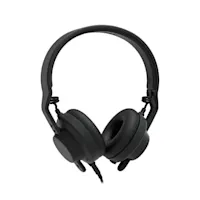
AIAIAI invites you to build your own pair of headphones with the TMA-2 modular set. You can also replace parts of the headphones, including the speaker unit, headband, earpad and cable. This is fantastic news both your wallet and the planet, because you’re not forking out to replace or upgrade your headphones every few years.
There are multiple variations of the TMA-2 headphones with interchangeable parts suited for different needs. For example, the TMA-2 Studio models have highly detailed audio and lush comfort, while the DJ model focuses on providing punchy bass frequencies. Then, you can switch between a variety of punchy or detailed speaker diaphragms, on-ear or over-ear cushions, lightweight or padded headbands and cables dependent on length and style, coiled or straight.
These are excellent for artists who want one pair of reliable headphones for DJing and producing.
- Studio: $230/£169
- DJ: $200/£159
- Type: Closed-back
- Impedance: 32 OHMs
- Frequency range: 10Hz to 40kHz
| Pros | Cons |
|---|---|
| Lightweight but sturdy build | Upper mids can get slightly overbearing with some genres |
| Modular system is innovative and repairable | |
| Balanced, neutral soundstage | |
| Capable of serious volume |
Best value: Beyerdynamic DT270 Pro

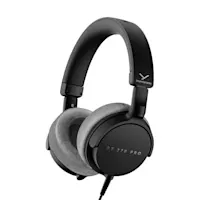
Legends in the pro audio world, Beyerdynamic surprised us with the release of its ultra-affordable DT270 Pro, and our delight continued when we got to try a pair out. Designed primarily for monitoring and tracking rather than mixing or mastering, we loved their punch and sense of life, commenting, “the 270s are best described as vibrant and immediate rather than neutral. That’s not a criticism – in fact, when you’re tracking or monitoring you actually want the vibe of the music to come through, for energy and inspiration”. They even manage to pack in a wide frequency response of 5kHz – 24kHz.
They come with a 3.5mm cable but also a USB-C adapter, recognising how many people are working on digital devices as well as on mixing desks; this small addition makes them much easier to use whatever situation you find yourself in. We weren’t prepared for the level of audio quality on offer at this price point, saying “another thing that stands out about the sound of these cans, apart from the energy and presence of their frequency reproduction, is the high level of separation they exhibit. Elements of a mix are very distinct; lead vocals cut through, as mentioned, but backing vocals and any kind of panned sounds are clearly identifiable too”.
- Type: Closed-back
- Impedance: 45 Ohms
- Frequency range: 5Hz – 24kHz
| Pros | Cons |
|---|---|
| Incredibly affordable, punch above their weight | Open back design means recording is out |
| USB-C adapter included | Small cups may not suit larger ears |
| Punchy and vibrant sound, ideal for monitoring and recording | |
| Very impressive separation of sounds |
Superb all-rounders: Sennheiser HD600
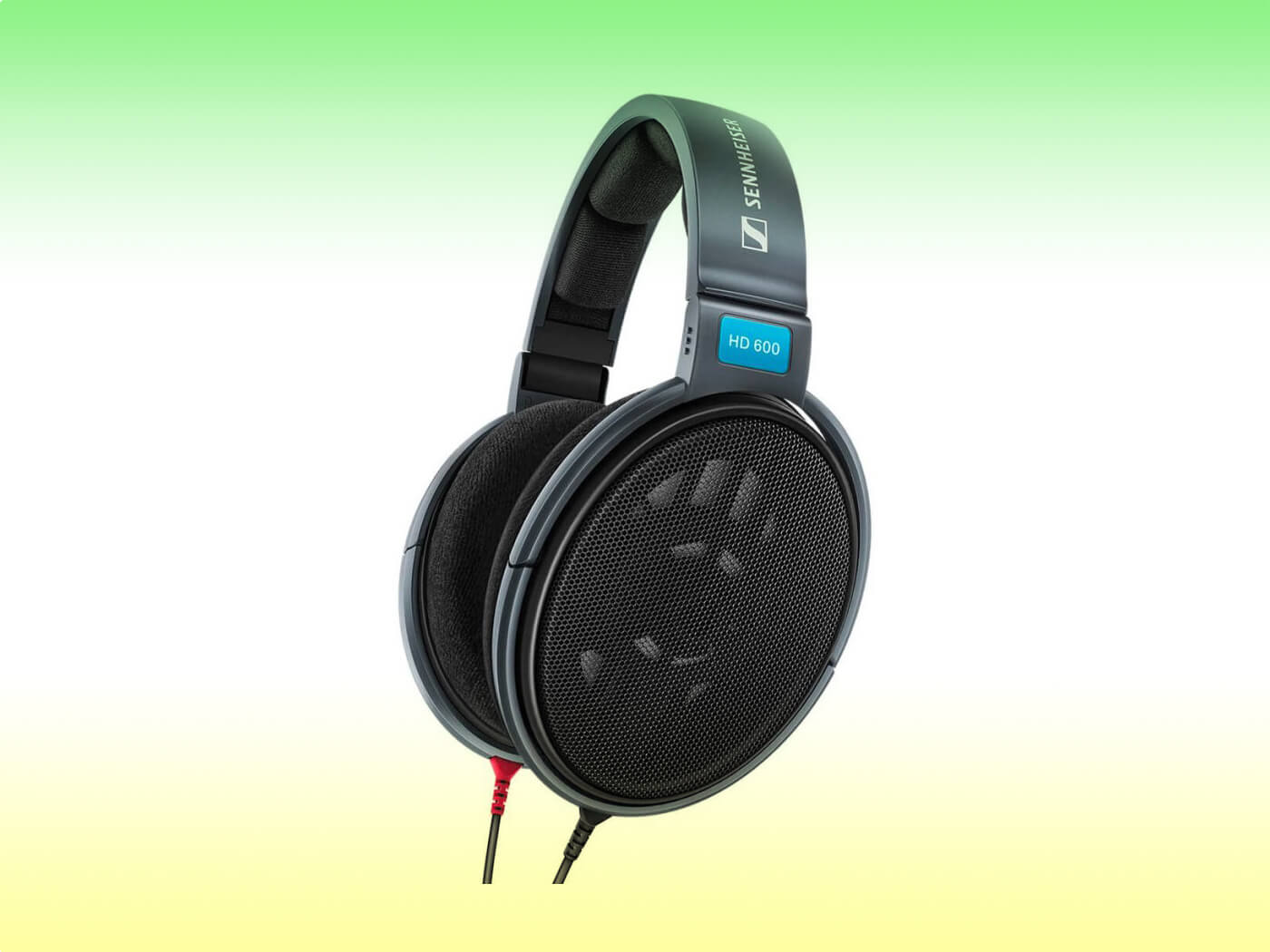

Deemed indispensable by a plethora of engineers, including Abbey Road’s Paul Pritchard, the Sennheiser HD600s are superb all-rounders that offer a natural and spacious sound, thanks to their open-back design. These headphones make use of what Sennheiser terms computer-optimised magnet systems to reduce distortion and deliver a more transparent sound.
Compared to their siblings, the HD650s, which add a small bass and mid-bass boost, these offer a flatter frequency response curve and are ideal for mixing and critical listening.
- Price: $299/£230
- Type: Open-back
- Impedance: 300 Ohms
- Frequency range: 12Hz – 40kHz
| Pros | Cons |
|---|---|
| Designed for mixing and critical listening | Open back design means recording is out |
| Very affordable | |
| Natural, spacious sound due to open-back design | |
| Flat frequency response curve | |
| Lightweight and comfortable |
Best closed backs: Sennheiser HD 480 Pro

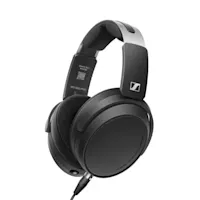
Another strong entry from Sennheiser and available from a reasonable £345, we were impressed by the HD 480s’ comfort and versatility as well as very impressive all-round sonic performance. In our review, we noted “there’s an immediate impression of a full and punchy bass end. In the ever-crucial mids, there’s accurate separation between the various parts of the range, without the unnecessary or uncomfortable hype at the low or high extremes that are often built into headphone voicing. Highest frequencies seem relatively soft and velvety, yet never dull.”
Acknowledging the benefits of working on closed back headphones while still needing them to be accurate and not colour the sound, our reviewer concludes, “If you’re in the market for one pair of headphones that can cover every job, or you need a comfortable solution for tracking or mixing on the move, then the HD 480 Pros should be at the very top of your list.”
- Type: closed-back
- Impedance: 130 Ohms
- Frequency range: 3Hz – 28.7kHz
| Pros | Cons |
|---|---|
| Accurate voicing that doesn’t cause fatigue | The pro case costs extra |
| Versatile across a range of genres and uses | |
| Dual cable connection options | |
| Solid isolation from the outside world | |
| Comfortable to wear |
Why You Can Trust MusicTech
MusicTech reviews hundreds of new products every year, from powerful synthesizers, DAWs and pro plugins through to everyday headphones and portable speakers. Our expert reviewers are producers, engineers and enthusiasts with hundreds of years of collective experience, with a keen ear to the ground on new trends and technologies.
Every guide on MusicTech is created by a producer, musician and tech enthusiast just like you. We understand what you’re looking for when searching for a new MIDI controller, and we want to ensure you purchase genuinely useful products for your craft. So you can guarantee that every product MusicTech recommends to you is a product we’d be happy to have in our studios.
Check out more buyer’s guides on MusicTech here.


Playing in bands in the 90s led Hollin into the world of production, joining MusicTech on issue 2 in 2003. With several internationally published books on composition and software he is an expert in Apple and consumer tech, having written for most leading Mac publications for many years. He is also a commercial photographer with work appearing in the national press.