


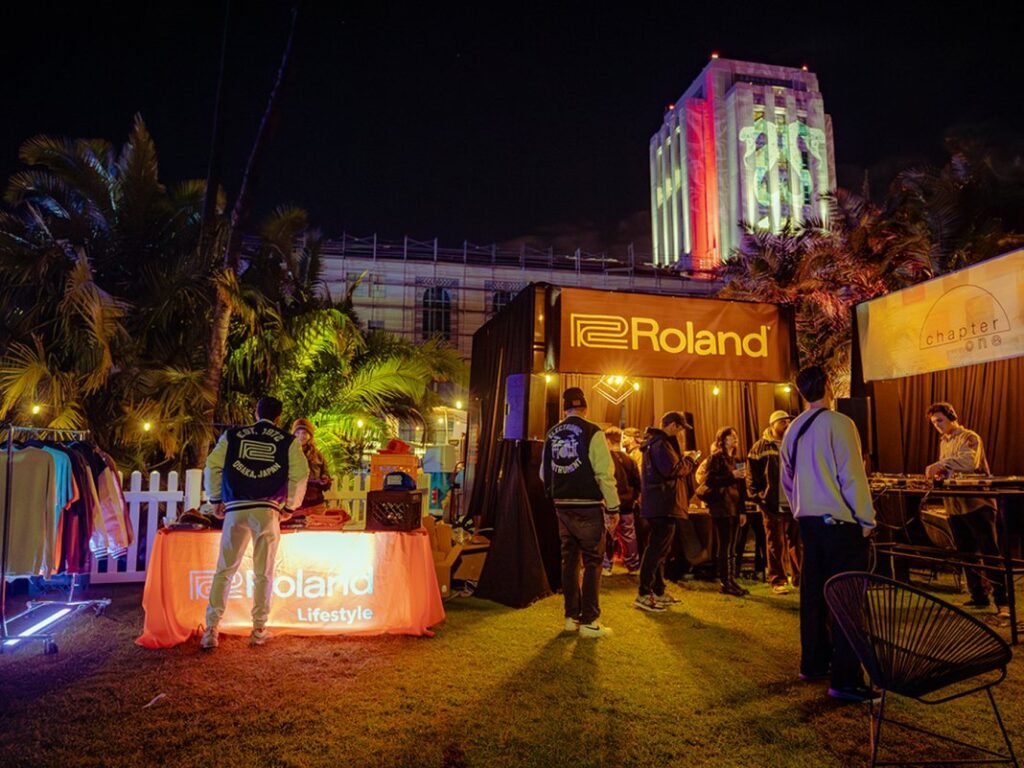
It’s 32°C in San Diego, and CRSSD festival is brimming with short shorts, tank tops, sunglasses and ice-cold beers. The last place you might want to be is inside a black tent full of synths, screens and drum machines. But that’s where I am, at CRSSD Lab, and I’m not alone.
Festival-goers wander in and out of the Roland and Chapter One booths, peering at the Juno-X and a TR-1000 on the table; they flick through vinyl records and listen to them on a Technics SL-1200 and headphones. By 3 pm, a stack of vinyl, each wrapped in a paper bag, is already waiting for attendees to come retrieve their purchase at the end of the fest.

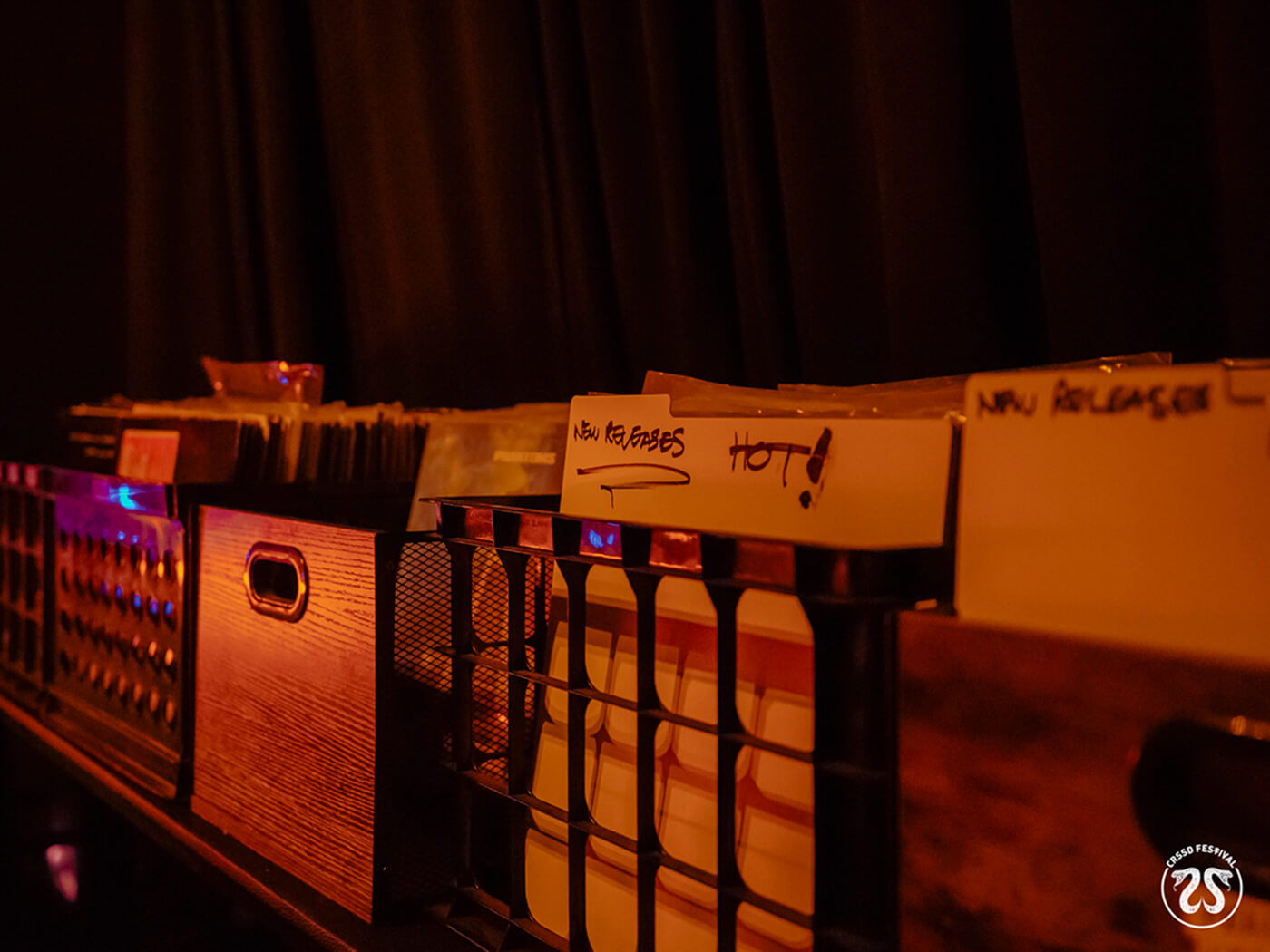
CRSSD Lab has been running for over eight years. The Lab is a tiny section in the centre of the CRSSD dance music festival at Waterfront Park, with the fest hosted twice a year in the spring and fall. Roland and Chapter One have become mainstays on the lineup, with the former returning twice a year to host workshops and artist demos, and the latter being a pop-up record store with local DJs performing intermittently throughout the weekend.
MusicTech already spoke with Roland and Chapter One in 2023 to learn about how CRSSD Lab operates. This time, I’m here to learn why the two brands keep coming back, and whether attendees are really having an “a-ha!” moment at CRSSD Lab.
“Who else do you see out here getting one-on-one with their end users?” says Mar Keith Anthony, Roland’s global brand relations manager. He’s right: Roland is the only music tech brand on-site, and has been for several years. Roland hosts similar pop-ups at Movement in Detroit and Stagecoach, the country festival that happens on the Coachella site each April.
“We’re creating and fostering collaboration, and teaching skills at the same time,” he explains. “People don’t know how simple music-making tools are these days. People walk in like, ‘Oh, I don’t make music,’ and I’m like, ‘I can literally show you in five minutes how to do it!’ That’s our goal. We’re just trying to inspire people to pick up instruments and make music.”
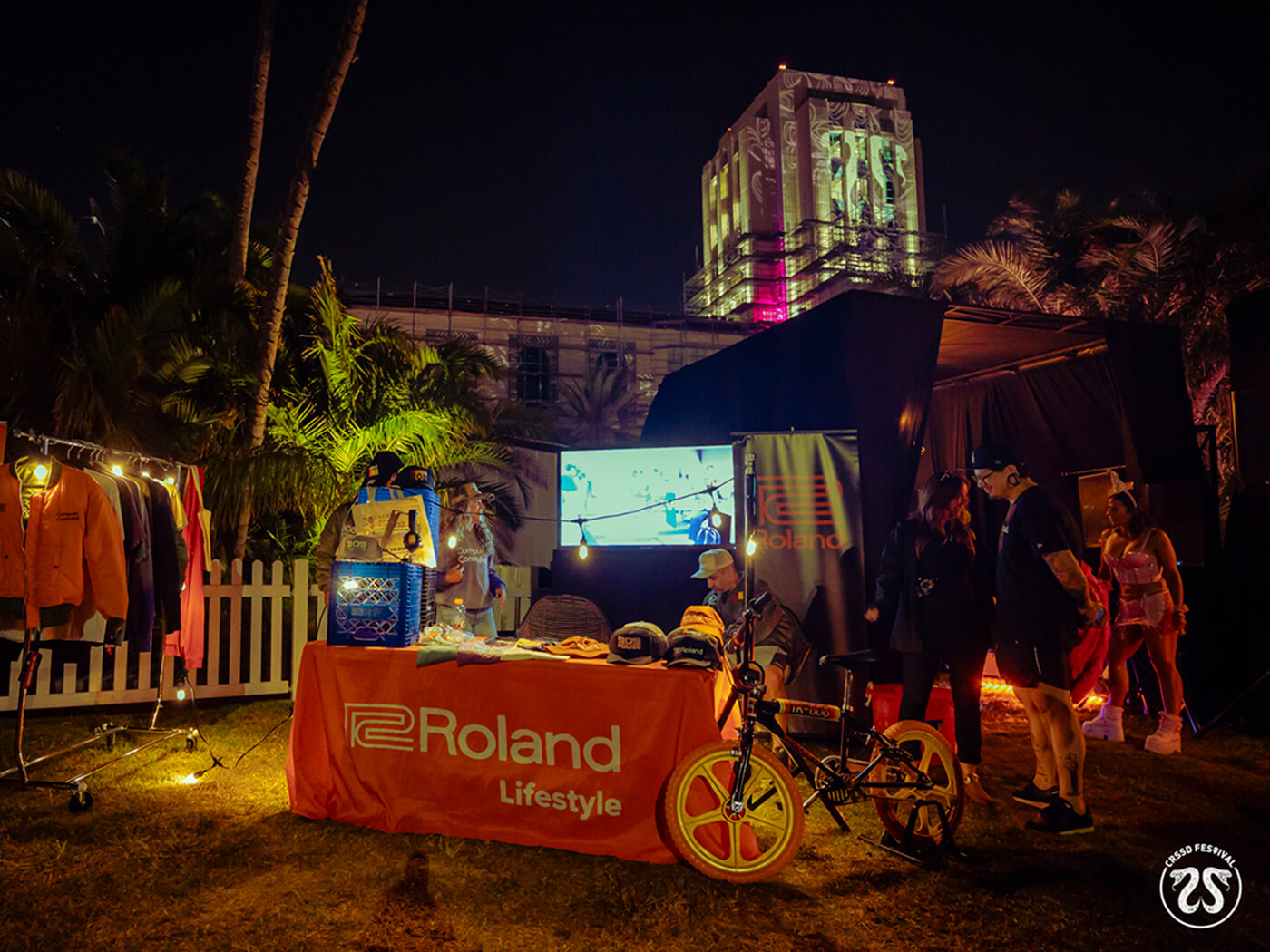
Today, Roland has connected synths, drum machines, guitars and effects to Ableton Live. Attendees can come to the booth, learn about the gear and software, record clips into the DAW, and let the next person come through and lay down a new part. There’s also a Roland DJ-202 in the setup for those who just want to try mixing some pre-selected tracks. The area never seems to be bustling, but there’s frequently a gaggle of pals tinkering around and chatting to brand reps.
But is CRSSD Lab really having an impact? Are people truly leaving the festival and picking up Roland products when they get home?
“We get tons of feedback,” Anthony says. “A lot of the time, parents will come and say, ‘Oh, my kids want to get into music production, maybe this is an easy way for them to get started.’ This is also an opportunity for users to talk to us about products that are out. One guy came today and said, ‘Hey, if I come by early enough tomorrow, can I bring my laptop and record the samples into my computer using this machine?’”
Chapter One’s Max Coletto says his team sees a similar effect. Although the reason for the label and record store’s involvement seems obvious — to sell more records — there are a few other benefits to participating in CRSSD Lab. Namely, the Chapter One team are often giving dance fans their first experience with vinyl.
“It’s definitely a good feeder to our community in L.A,” says Coletto of CRSSD Lab’s impact. “We see really young first-timers—people who are getting into the electronic music—and we see 50 to 60-year-olds who have been listening to this music their whole lives… It’s always a nice little memory for them. It’s not just about getting the record, it’s about interacting with them. It’s a whole experience.”
Chapter One sells around 80 per cent of its stock at CRSSD Lab, from $5 dance singles to more expensive classic albums (Daft Punk’s //Random Access Memories// is one such record that I see a customer checking out while I’m there). The team is also finding out more about its target market.
“I’m definitely noticing a younger audience,” says Coletto. “I’m noticing an audience that doesn’t necessarily know specific artists or labels, but there’s a huge amount of curiosity because they’ve dipped their toes into this underground electronic music, and they’re really excited to learn. They ask about local labels and what artists to check out. There’s just a general curiosity among the younger crowd that’s really exciting because you can tell there’s an increased demand for this kind of slightly underground, left-of-centre music.”
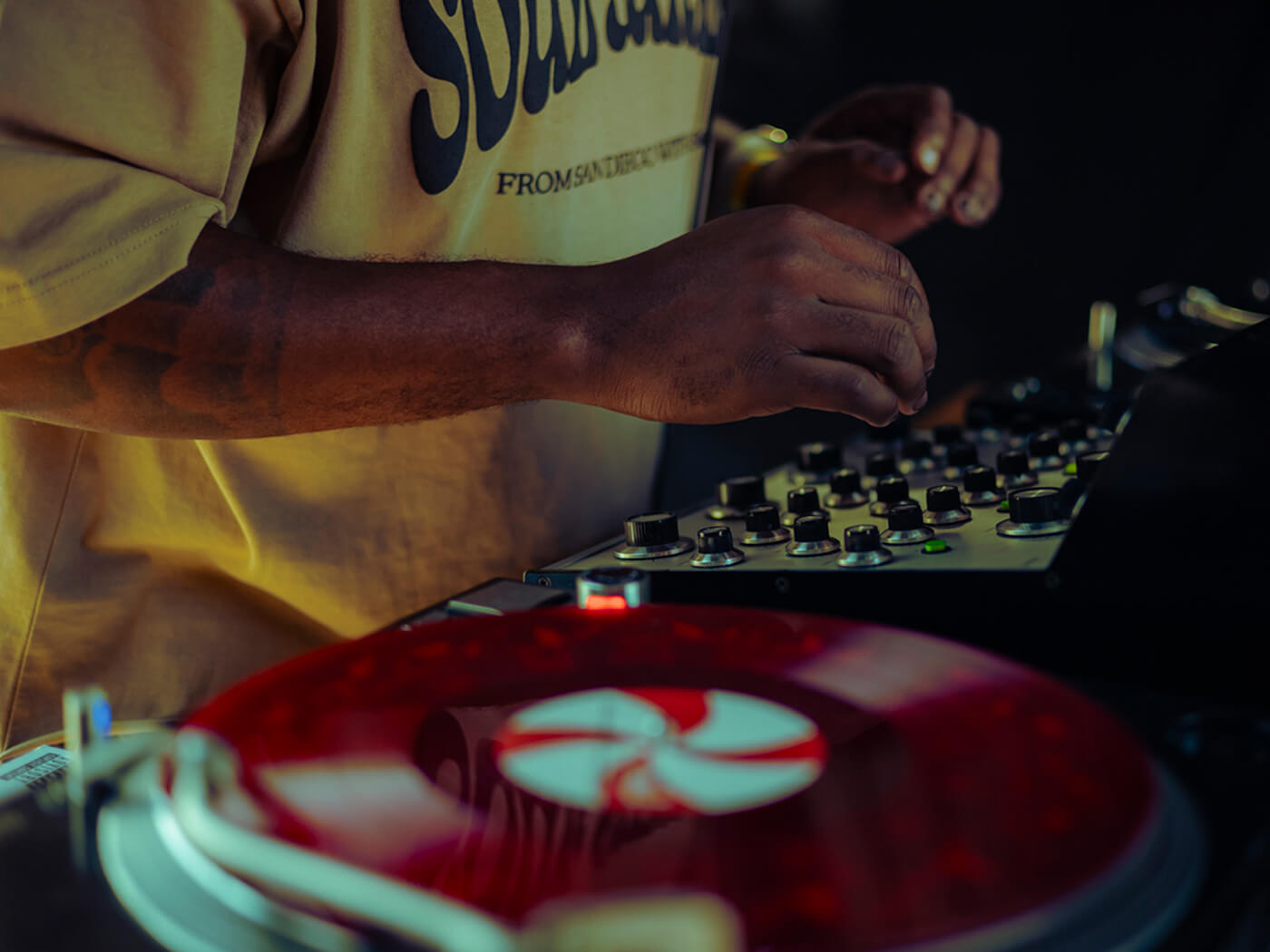
For Roland, its continued attendance is also crucial in better understanding the dance music fans that exist among its sprawling music production audience.
“Coming [here for] years is really about making sure the fans know that we’re part of the community as well,” says Anthony. “We’re invested in the continued creation of this style and music. It’s important being out in the elements like this. No one can speak to the products better than someone that works directly for the brand.”
Anthony and I go on to talk about the new Roland store in New York City, which is the brand’s first flagship store in the US. Much like at CRSSD, the store isn’t just about selling more gear, but a focused attempt to lure more people into synths and samplers by giving them valuable hands-on time with the gear. Ultimately, it’s about turning more music fans into music creators — and customers.
“We’re creatives, and we feel like music is the heartbeat of everything that we do,” explains Anthony. “So therefore, for us, that’s what we’re passionate about: creating more music makers.”


Sam is the Commissioning Editor at MusicTech, where he’s helped shape the publication’s editorial voice since 2019. With nearly two decades of music-making and a degree in music technology behind him, his focus is on the stories behind studio gear and the artists who use it. He’s spent way too much time sampling disco records.