


Tamber has launched Tamber v2.0, a “major expansion” of its music creation platform that features enhanced creative tools, new functionality, and native Windows support.
Launched in May of this year, the update lands pretty swiftly after its original arrival. It’s a creative suite powered by “sonic intelligence” (assistive, non-generative tech), able to transform your abstract thoughts and ideas into sound. Available natively on both Mac and Windows, it works alongside your existing digital audio workstation and production tools.
So, what’s changed? Tamber’s five core tools – Gestures, Tamby, Librarian, City Packs, and Sonic Atlas – now operate as dedicated apps within one connected suite, allowing users to open the tool they need directly and move between them through a single account.
Let’s explore what each one does.
What are the new features of Tamber 2.0?
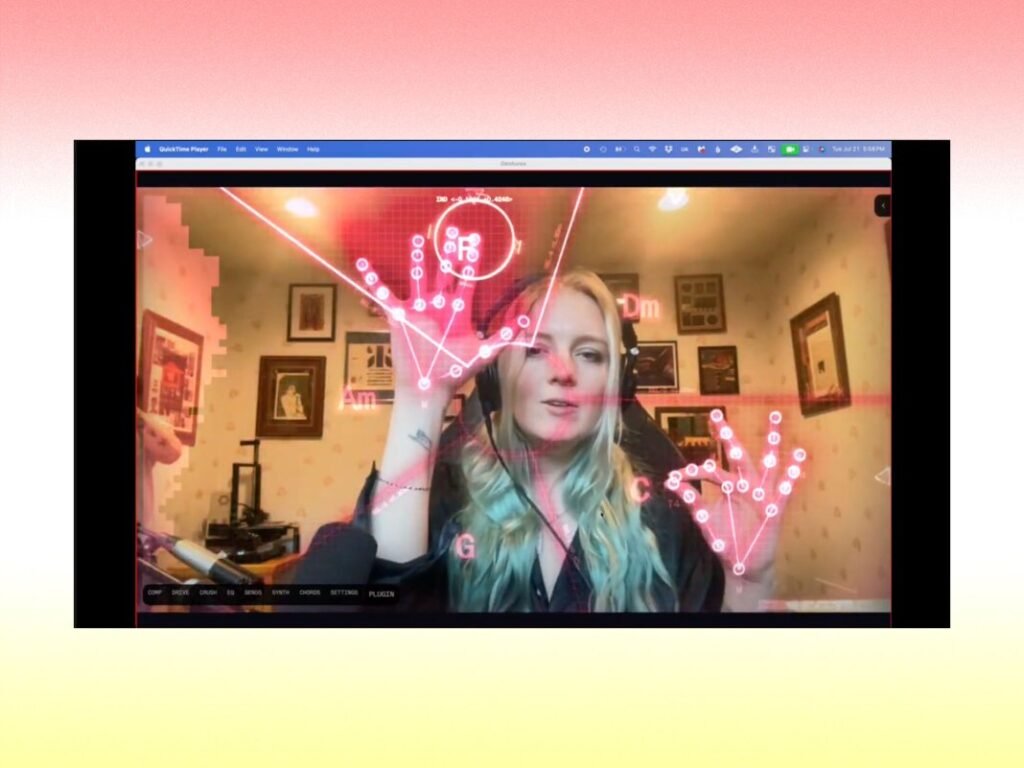
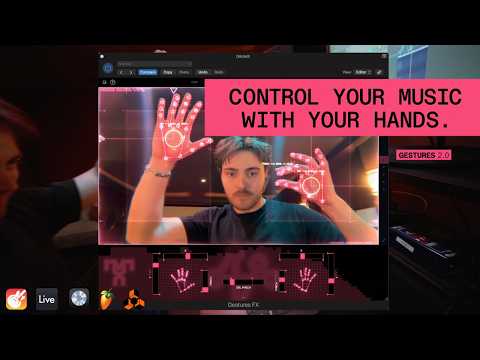
The Gestures tool allows creators to control vocal effects and virtual instruments using their hands via webcam. With v2.0, Gestures not only operates as a standalone instrument but is also now a VST3/AU plugin. It also has new built-in synth and vocoder engines and reduced latency.
Tamby, its “in-session co-producer” now appears as an un-obtrusive overlay that can be summoned when needed, and a new chat history also preserves previous prompts and actions. A Mini-Librarian search bar also now floats over your DAW and is joined by new Favourites and Crates tools.
More of Tamber’s City Packs are coming, which are full of original field recordings, with a new City Pack release due every month. On a similar note, its Sonic Atlas visual discovery app that allows users to explore popular music from different countries, cities and eras, now has a favourite tool.
How does Tamber work?
Tamber does not generate finished songs, stems or samples, and has never been trained on third-party audio, according to a press release shared with MusicTech. Instead, it helps musicians operate their own tools. The v2.0 release gives users “more control over which parts of Tamber they use and how those tools fit into their individual creative processes”.
“Almost all of this came from users telling us what they needed,” says founder Zoe Wrenn. “Gestures is a real instrument now – it has its own synth and vocoder engines, so you can play it on its own with no DAW at all, or load it as a plugin right into your session.
“We rebuilt Librarian from the ground up, and Tamby is something you can pull up mid-take without losing your place. I’ve been in my own sessions with it for weeks and it doesn’t feel like an update. It feels like a new product.”
Find out more via the Tamber website.


Rachel is a DIY musician who began learning guitar and keyboard from her bedroom at 14. She has written news and features for MusicTech since 2022, and also has bylines across Kerrang!, Guitar.com, and The Forty-Five. Though a lover of heavy music, her guilty pleasure is 2000s pop.
Get the MusicTech newsletter
Get the latest news, reviews and tutorials to your inbox.