


Los Angeles’ storied music history couldn’t exist without the city’s eclectic smorgasbord of venues.
In 1970, Elton John performed his first United States show at The Troubadour, which is still hosting legendary acts such as Guns N’ Roses on the border between West Hollywood and Beverly Hills. A few miles down the road, The Doors had a residency at the legendary Sunset Strip hot spot, the Whisky a Go Go, before they became international superstars. Last month, Miley Cyrus performed for the first time after a four-year break at the Hollywood Bowl.
Now, with the city’s reputation established as one of the most vibrant music metropolises in the world, LA has all manner of venues, from DIY sheds such as Bad Dogg Compound to the most expensive stadium ever constructed, SoFi Stadium. These venues also boast all manner of sound systems as well.
Editor’s Pick: Inside 5 of Los Angeles’s best hi-fi bars: Where they are and why they sound so good
As an LA-born music and audio fanatic, I’ve watched artists, orchestras, stand-up comedy, and even press conferences at most of the city’s venue offerings. These are five of the best-sounding spots in the city — keep an eye out for shows at these places if you’re seeking out the best aural experiences.
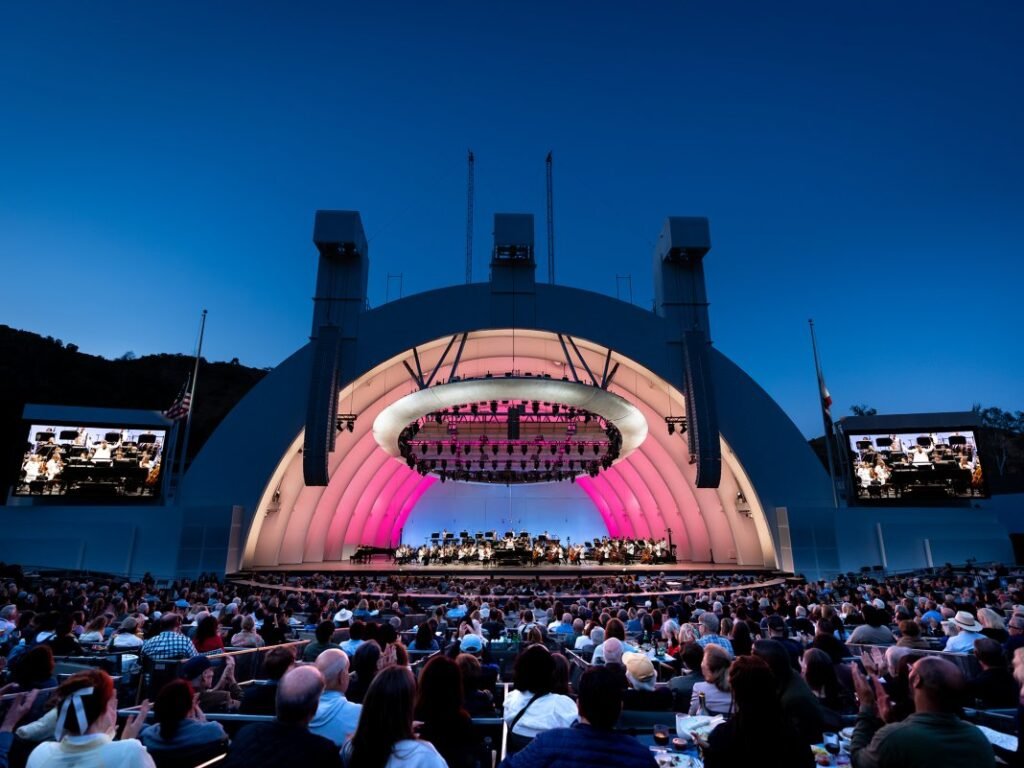
Hollywood Bowl

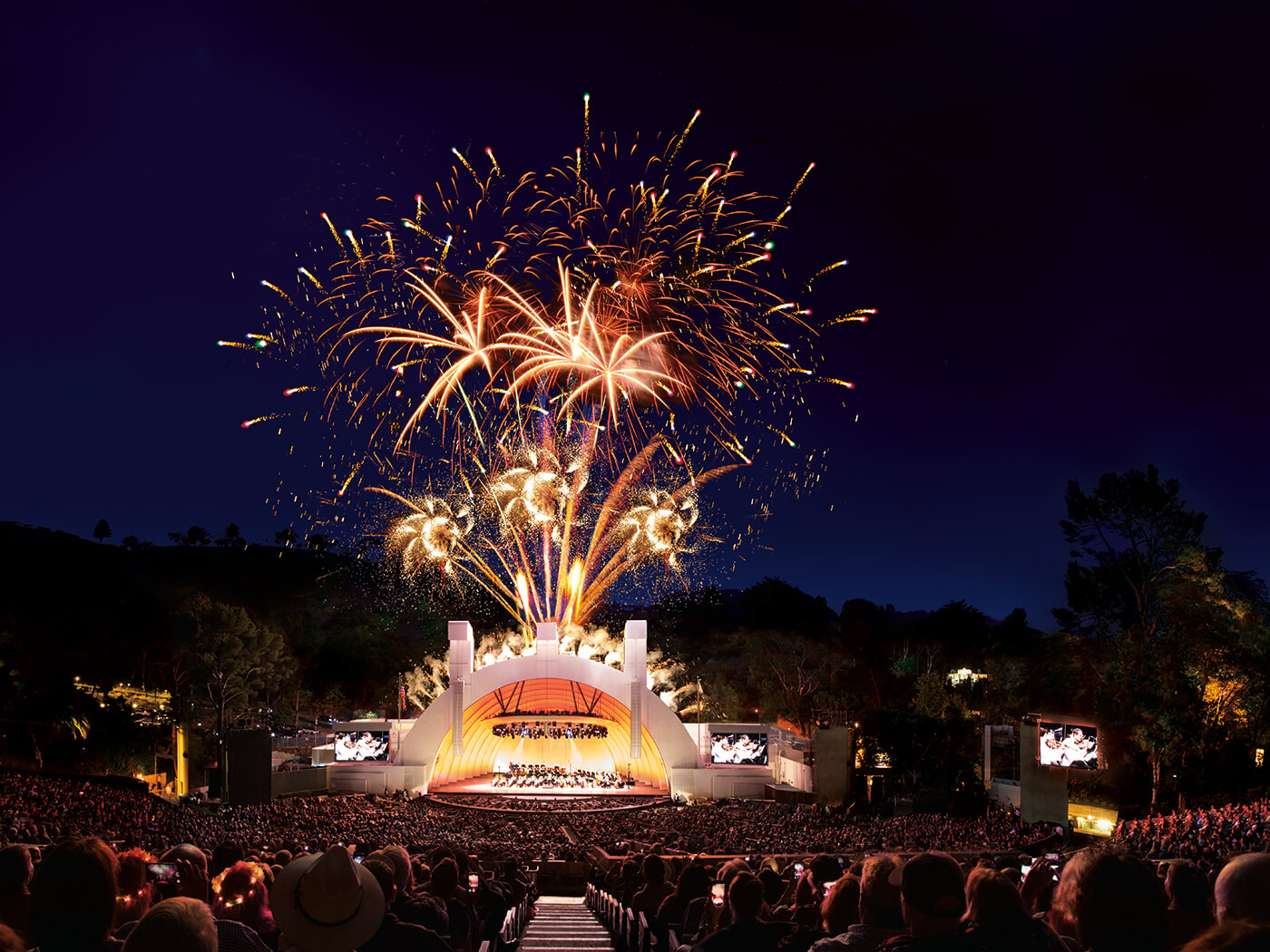
As LA is now ground zero for artist debuts, album releases, and other monumental moments in music, the Hollywood Bowl is ground zero for the most advanced live sound system ever developed, L-Acoustics’ new L1.
Fred Vogler has been working as principal sound designer and FOH mixer at the Bowl since 2003. He’s seen numerous upgrades installed and mixed hundreds of shows at the iconic outdoor amphitheatre nestled in the hills just above Hollywood Blvd. But for the 2026 season, he received feedback that St. Vincent’s performance with the Hollywood Bowl orchestra was “the best live sound he’s ever heard,” from his friend who is a creative director at Universal Studios.
“We have a very demanding audience. We have a lot of engineers, producers, creators. This is Hollywood,” says Vogler. The Bowl also offers incredibly diverse programming every summer season featuring jazz, hip-hop, reggae, classical, and not to mention big rock stars such as Hayley Williams, Muse, and My Chemical Romance who all performed here in 2026.
“We’re filled with entertainment people. We can’t do an average job. We have to do the best job possible.”
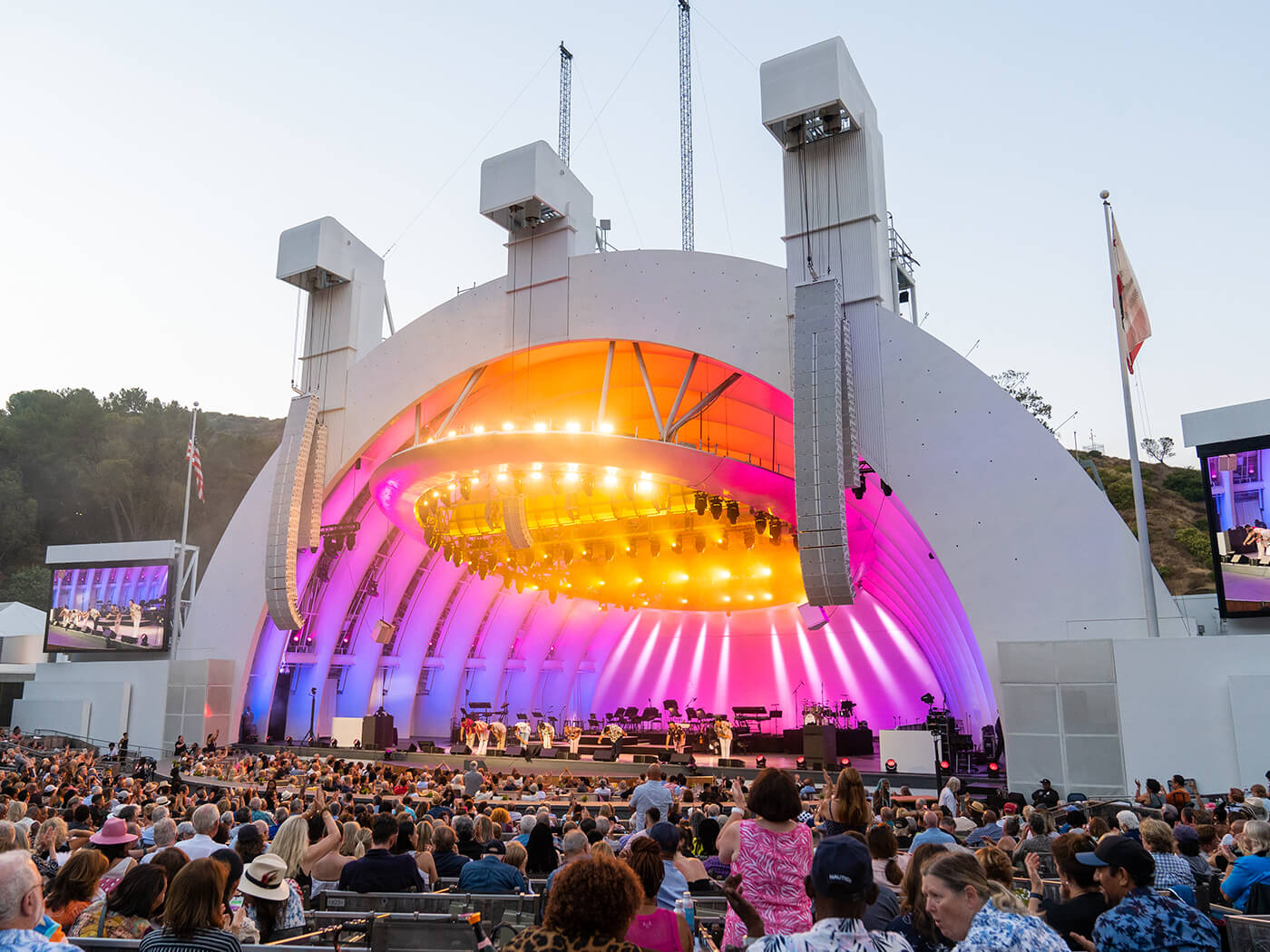
L-Acoustics debuted the new system at the Bowl in May, and the Bowl remains the only venue in the world with the L1 built in. Every other application so far has been temporary for tours and one-off productions. In addition, L-Acoustics installed 26 surround speakers throughout the amphitheatre, giving Vogler complete control of a circular grid where he can place sounds using L-ISA software. Oftentimes he’ll see patrons swivelling their heads when he gets creative with placements.
“At Boris Brejcha’s orchestral show, I left the main pulse coming out of the L1s, and wrapped orchestral elements into the house where you could hear them,” Vogler explains as an example.
“When we made the upgrade, we weren’t thinking about making the Bowl louder. We were thinking about precision. We were thinking about making it better for every seat in the house,” says Kelvin Vu, Vice President, Venue Operations Programming at the Hollywood Bowl. “This system is so high fidelity for a concert PA that it really brings out all the nuances of what you want out of a performance.”
Disney Hall
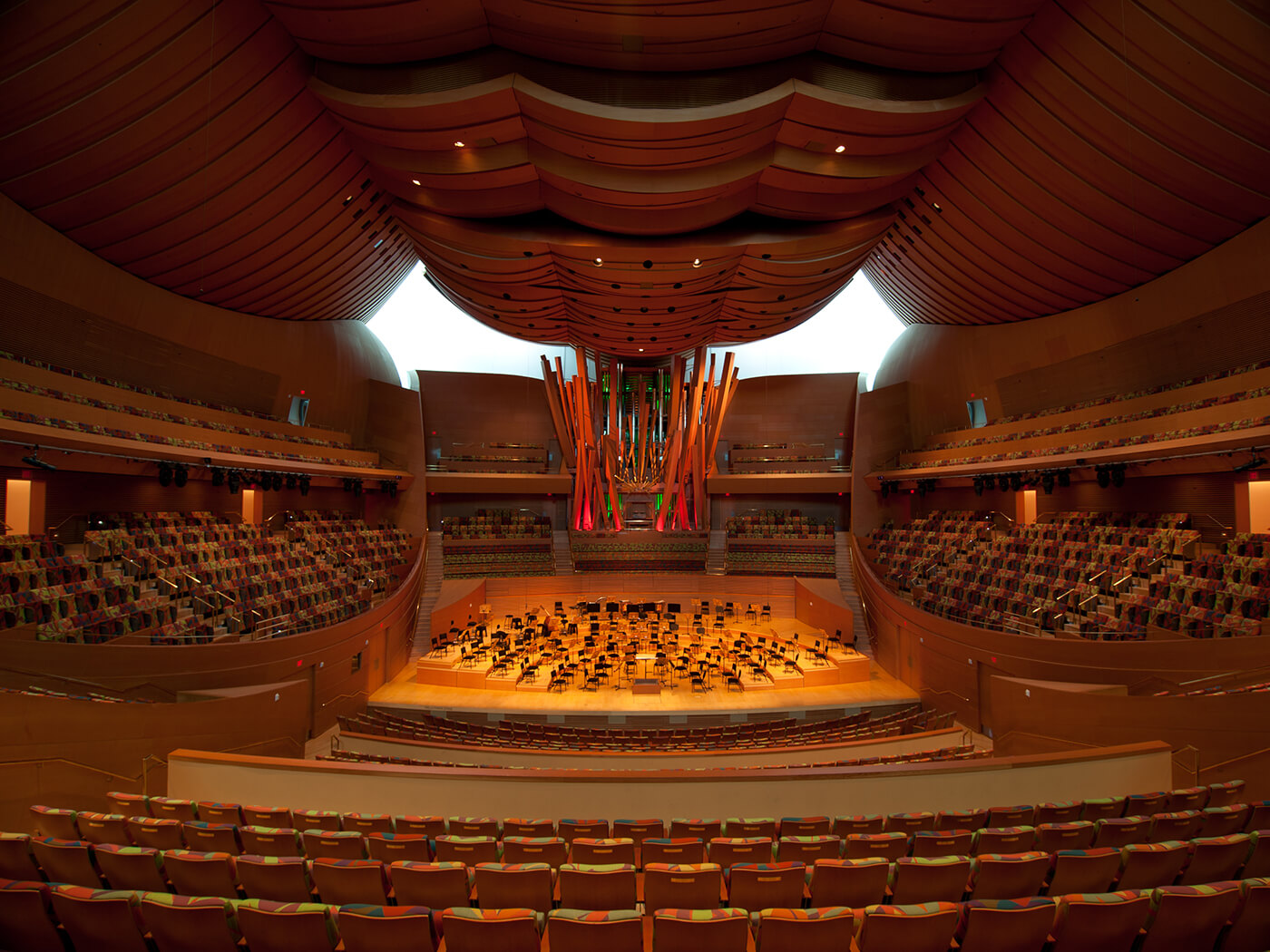
Walt Disney Concert Hall is considered one of Frank Gehry’s best architectural works, but the acoustics inside the auditorium are just as revered.
Thanks to the intricate engineering collaboration between Gehry and Japan’s Nagata Acoustics, orchestras don’t need to be mic’d up at all. The Hall’s materials and layout cause the sound to naturally resonate with full dynamic range.
According to Motoo Komoda, President and Principal Consultant of Nagata Acoustics, the wood used to build the hall, which opened in 2003. Their first choice was Hinoki cypress, but that tree has become very rare, so they opted for Alaskan Yellow Cedar. They also consider every path the sound takes to reach the audience. The vibrations through the floor, the instruments themselves, and the reflections off the walls based on the oblong shape of the room.
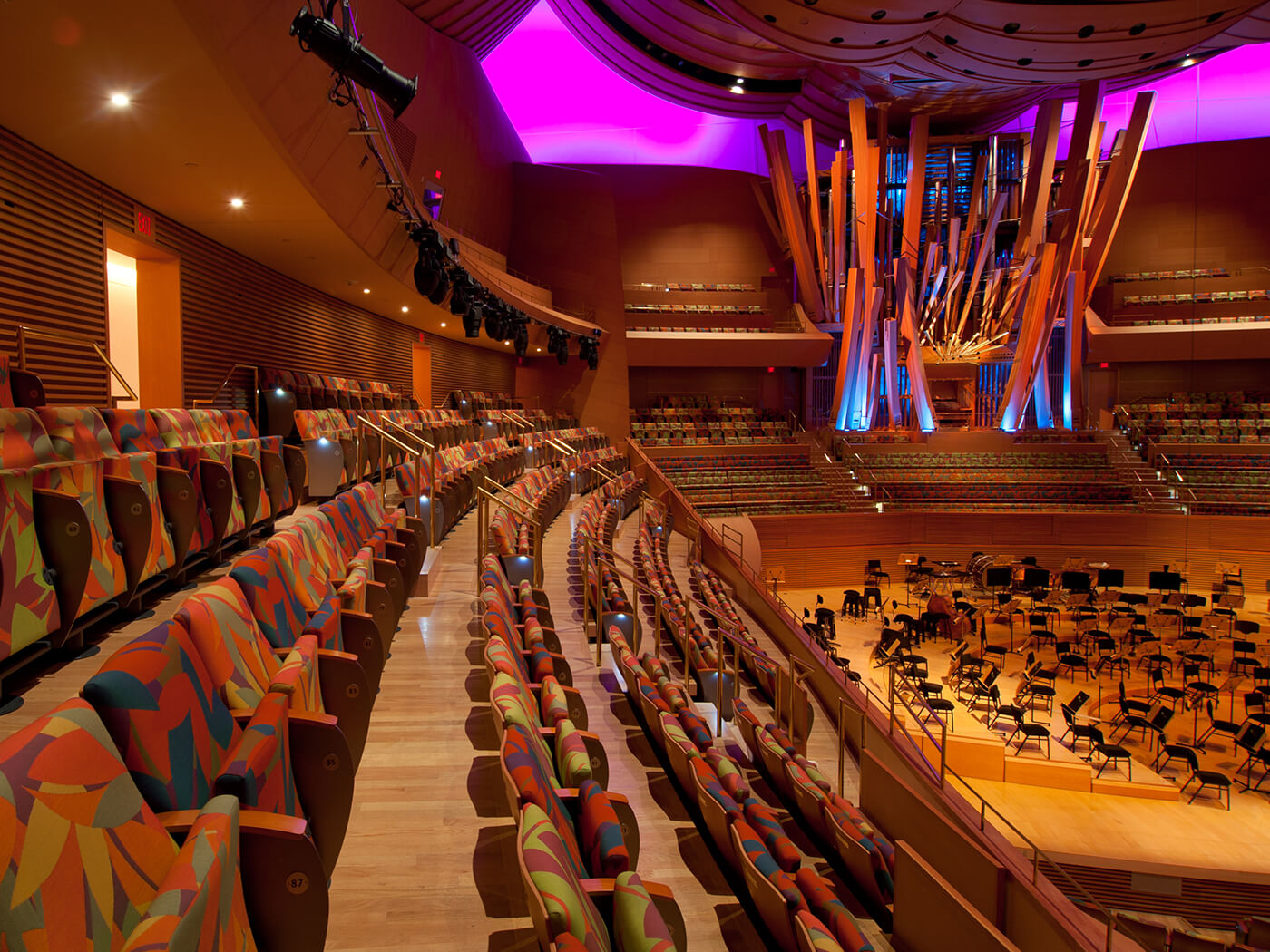
“Reflections should be coming one after another, not all in time. If you play in the dome shape, then it’s always coming at the same time. That’s not a good thing,” says Komoda, who also especially emphasises that every decision they made was done with Gehry’s input. “We needed to discuss the room shape carefully with the architects.”
However, Disney Hall also hosts programming that does need amplification. Coming up this year, modern R&B sensation Giveon will perform in the hall as well as jazz master Kamasi Washington. Vogler is also in charge of mixing these shows, as Disney Hall falls under the purview of the Los Angeles Philharmonic Association, like the Bowl. Currently, Disney has a Meyer Sound Leopard system that was installed in 2016.
“Meyer produced a wide dynamic of performances. We worked closely with them. They had a lot of resources to help us dial in the best system,” Vogler says. When it comes to introducing amplification into the extremely precise structure of the room, he compares mixing to the difference between NASCAR and F1 racing (The Hollywood Bowl is NASCAR and Disney Hall is F1).
“[In the Bowl] there’s power, and in the concert hall, there’s a lot of sharp turns, acceleration, deceleration, moments you have to be careful,” Vogler says. “You have to be cognisant of the acoustics, and also the audience’s effect on sound. You don’t want to start with more and then bring it down. You want to bring in what you find is needed.”
Sound Nightclub
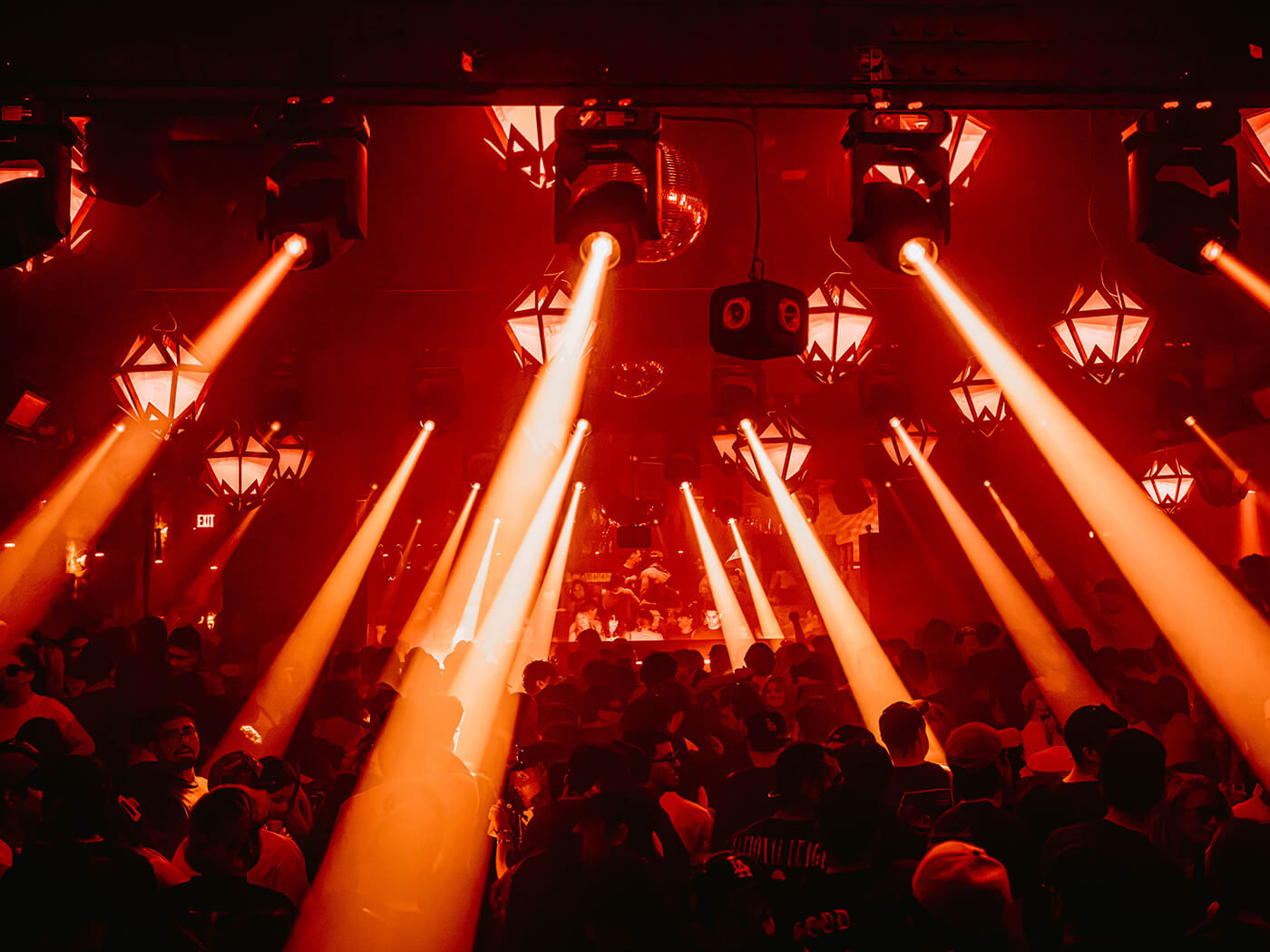
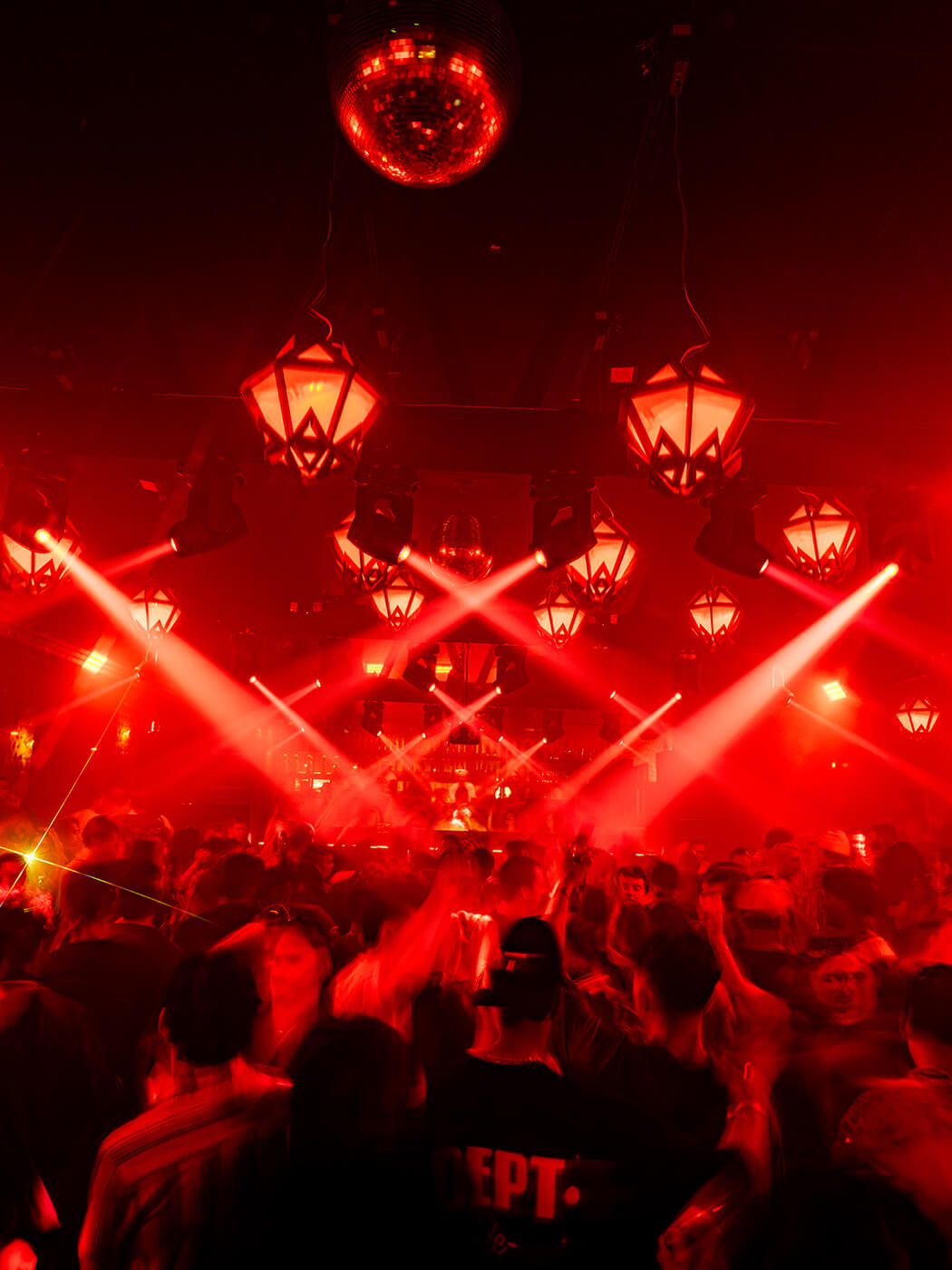
Kobi Dannan, owner of Sound Nightclub, Hollywood’s den for house and techno, is always thinking about how to make the club sound even better.
“Think the sound in here is good — not the ‘best,’” Danan says. “It can get there because I built the room correctly. I spent $500,000 just on acoustics, so it will be dead. There’s no reflection or reverberation..”
Currently, Sound has a Pioneer GS-Wave system that was installed shortly after the model was released in 2013. The now-discontinued series is based on the legendary loudspeaker developer Richard Long’s Bertha, and in the 13 years it’s been in the club, it’s never burned a driver. The only person who’s tuned the room is Kerri Chandler, who is famous for going the extra mile to dial in the speakers before he plays.

1 / 7
Image: High Above Productions
“Pioneer took the best components available on the market, took the Bertha design, licensed it, and came up with the GS-Wave. It feels analogue. It doesn’t feel digital,” Danan says. “What I like about this particular system is that it really hugs you. You and I can have a conversation on the dancefloor at full volume. We’re not yelling at each other. The sound is all around you, and you feel it, which is important in that environment.”
But after over a decade of service, Danan is now eyeing L-Acoustics’ L2 for his next system. He also founded Framework, which produces outdoor shows with attendance caps as high as 20,000. He uses L-Acoustics for these types of events, so he’s quite familiar with the brand, but regardless of how many people are at a show or where it’s being held, his philosophy on sound remains the same:
“We’re not a festival promoter. We are producing concerts, but we are club promoters at heart,” Danan says. “We build the production around the audience.”
Lodge Room
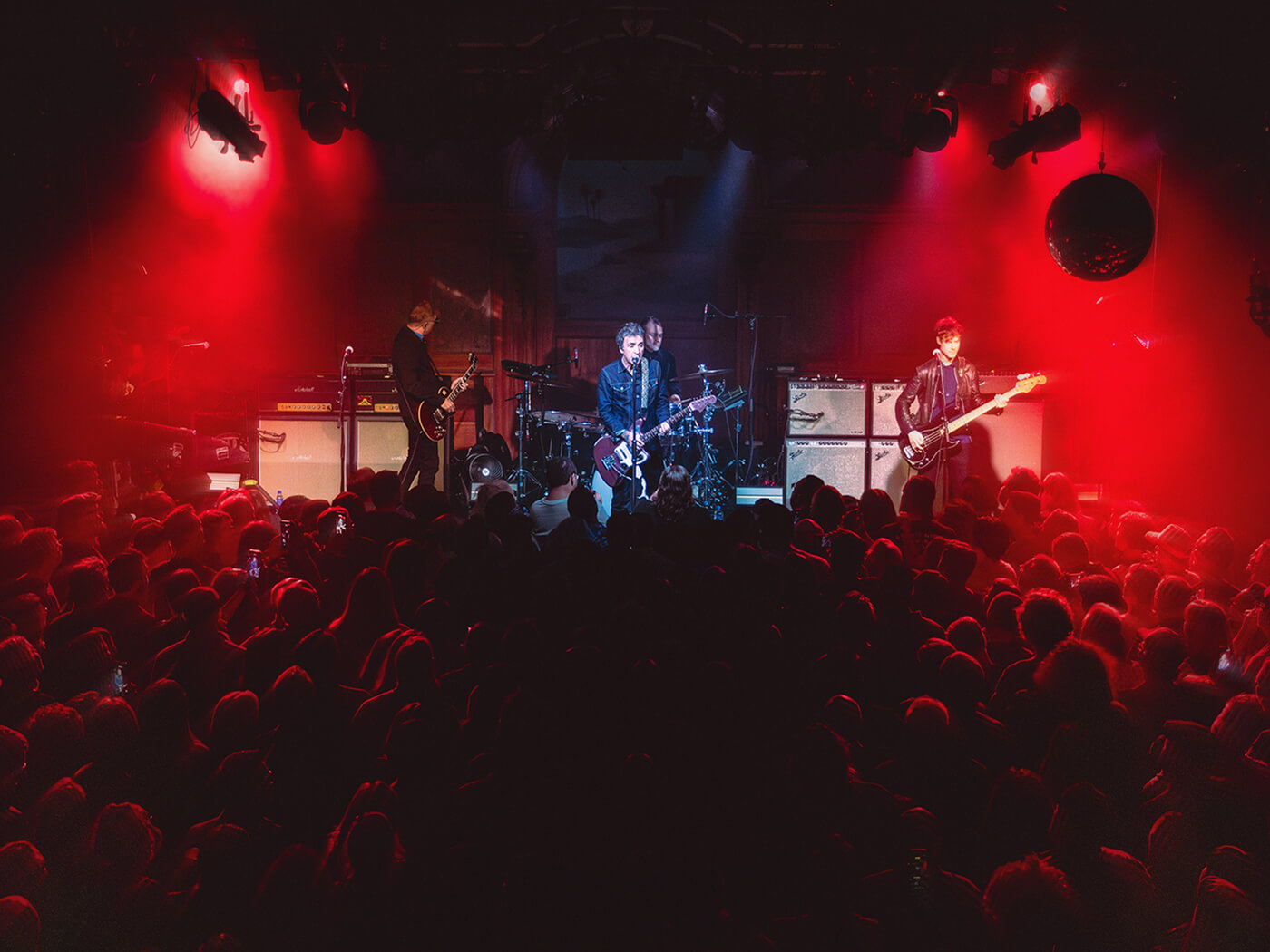
Many of LA’s venues are in buildings that are over a century old, and the character comes from pairing this classic infrastructure with top-tier sound systems.
In this case, Lodge Room, which was originally a banquet hall constructed in 1922, has an L-Acoustics system featuring four L-Acoustics ARCS II, two on either side of the stage, with an X12 Down Fill Speaker as the centre fill. Within the stage are two L-Acoustics SB28 subwoofers arranged in an End Fire configuration.
While Raul Recendez, Technical Director at Lodge Room, is fully aware of the latest products, getting a new system or other upgrades just isn’t in the budget. But it’s also not necessary.
“The PA that we have in this room is still 100% usable. That keeps the rawness of an independent venue,” Recendez says, mentioning how the room contributes to the sonics. “With the wooden infrastructure, sound check tends to get really loud in here. A lot of times, the bands are confused about how it sounds because everything is ricocheting. They’ll say there’s too much reverb when I don’t have any reverb.”
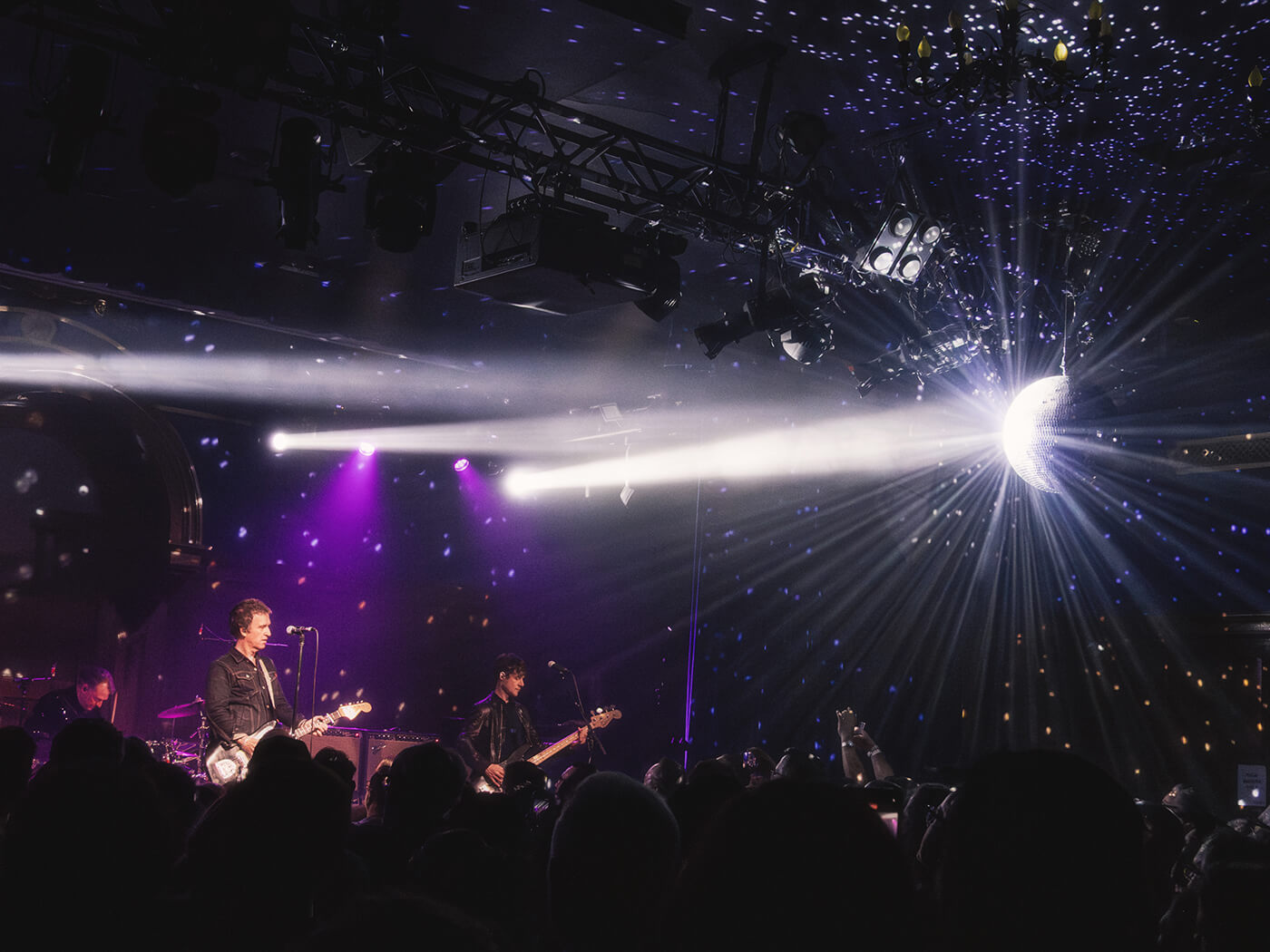
Because of the historic nature of the space, Recendez can’t tear out the walls to deaden the room. He has to find more creative and elegant solutions like hanging sound diffusion curtains and attaching sound panels to the ceiling (although Recendez admits they look a little awkward alongside the antique chandelier).
But the role of a PA in a small venue is so different. The audience is hearing the sound from the musicians on top of the amplification. Experimental jazz supergroup Giraffe just played their album release show at Lodge Room in the round. Everyone was circulating the space, listening directly to the instruments while the speakers provided a gentle lift, and the old room blessed everything with the kind of natural reverb that so many plugins attempt to digitally replicate.


Harry Levin is a freelance journalist with credits in SPIN, Billboard, MusicTech, Grammy.com, Los Angeles Magazine, and more. His musical journey began 20 years ago with a Led Zeppelin CD. He played jazz trombone through college, produced large-scale electronic music events, and now spends his professional time writing and editing.