


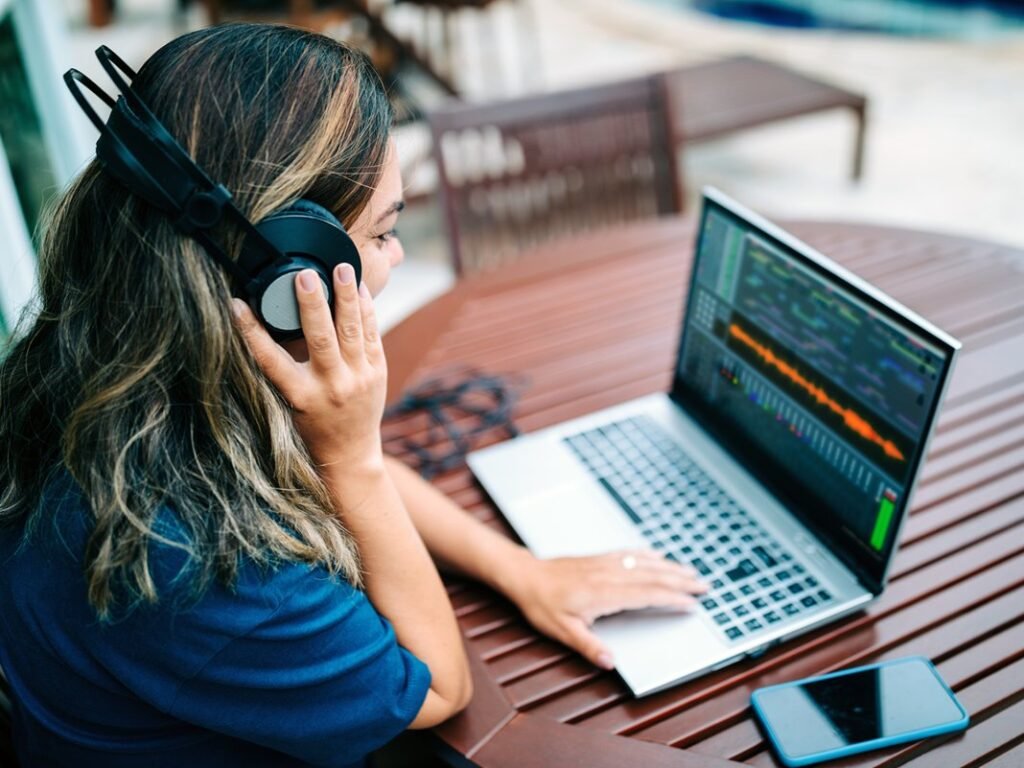
For many, producing music is both a job and a passion. Even when commissions pause during the holidays, the urge to create doesn’t. In fact, a change of scenery often leads to a refreshed perspective. This is why many musicians travel with a laptop and a pair of headphones.
But that sounds quite limiting, doesn’t it?
This holiday season, rethink your alternative studio setup. With portable audio interfaces, compact MIDI controllers, and a host of small gadgets, you can make any place feel like your home studio.
Items that fit each travel scenario
Any modern musician should be well-equipped to make music remotely. Refine your setup now, so that you’re ready for the exciting projects coming your way in 2026.
For example, if you’re a self-producing artist, you might opt for a USB microphone, closed-back headphones, and a laptop.
If you’re a beatmaker, a standalone sampler or drum machine may suit you better.
And if you’re a visual media composer with a looming deadline, you probably won’t want to leave your MIDI keyboard and portable screen behind.
To decide which items belong on your essentials list, consider your priorities. Build both maximised and minimised versions of your travel rig to see what works best.
When I travel with a carry-on, I usually pack a dynamic microphone, a small audio interface, a 25-key MIDI controller, and studio headphones. Combined with my laptop, these devices are ideal for producing demo tracks away from home. When space is tight, I simplify even further.
Your setup may vary depending on your workflow. Let’s explore which pieces of equipment deserve a place in your bag.

A compact and durable audio interface
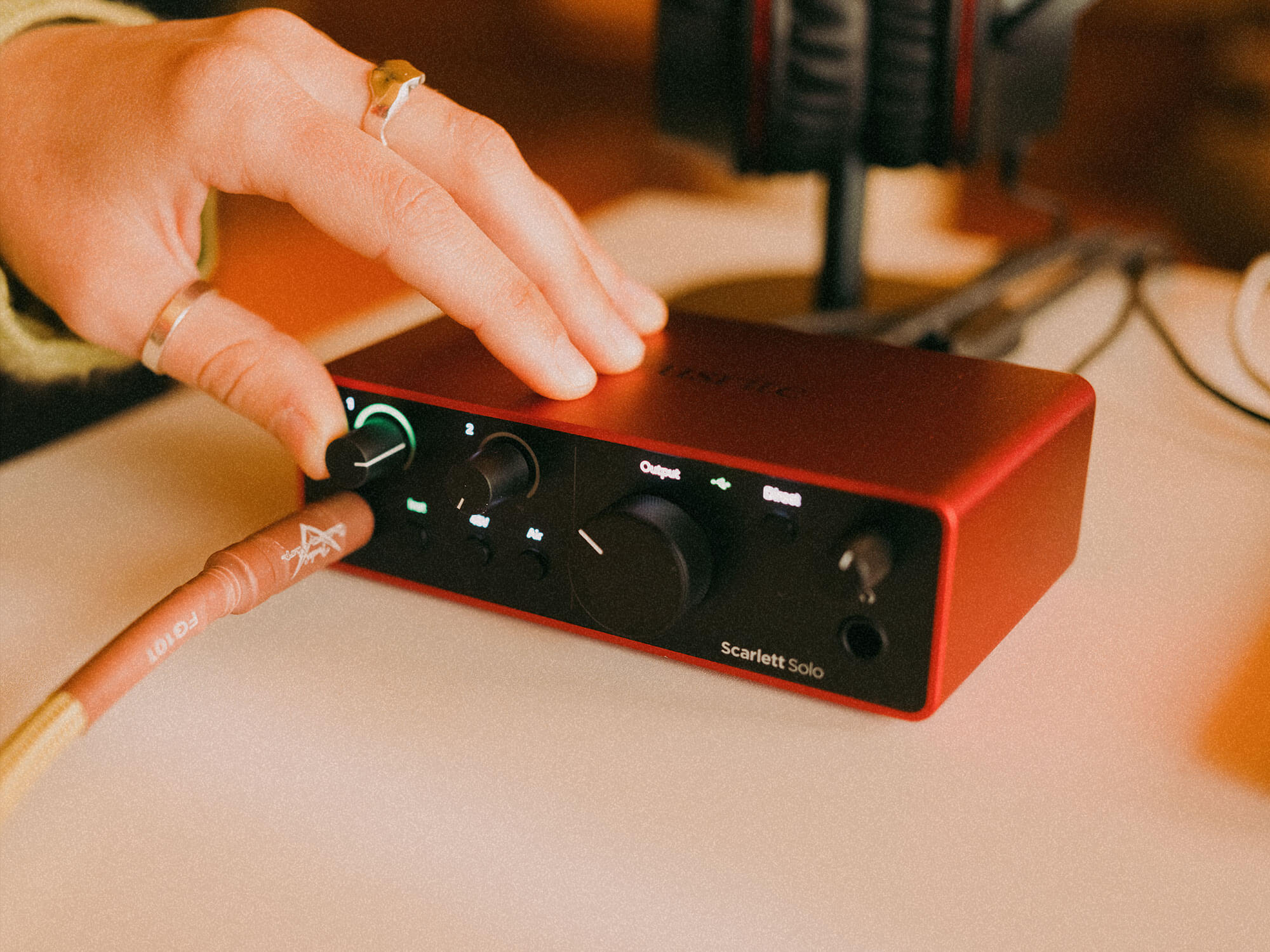
Audio interfaces are essential for capturing high-fidelity recordings. And if you own an expensive interface, the last thing you want to do is travel with it. What you want is a compact device with a solid build that handles life on the move well.
Focusrite’s Scarlett Solo fits these criteria and comes with a budget-friendly price tag. But there are even smaller options that make packing easier.
Zoom’s palm-sized AMS-22 has a TRS/XLR input, phantom power, and a loopback function for livestreamers. It can be bus-powered when used with a computer, or battery-powered when paired with a tablet or smartphone. It also includes an AC adapter.
IK Multimedia’s iRig Pro is a similar unit with a slimmer design. It costs roughly twice as much as Zoom’s AMS-22 and doesn’t include a loopback function. But it has a MIDI I/O, which is rare in an interface of this size.
For those seeking a single interface suitable for both studio and tour life, Apogee’s Duet 3 is a strong compromise. It provides near-zero latency monitoring and dual mic/line inputs.

A MIDI controller that fits in your backpack
Even if you’re comfortable programming MIDI, playing with a controller can help you create more freely. A two-octave keyboard is far better than no keyboard at all.
Arturia’s MicroLab MK3 is as small and affordable as it gets. But for a controller that not only has keys, but also pads, knobs, and sliders, check out the MiniLab 3. Both come with perks like access to Analog Lab Intro synth presets and Ableton Live Lite.
For finger-drumming or triggering chords, Novation’s Launchpad Mini will suffice. Small enough to fit into your backpack, it features 64 pads and 16 buttons that can be mapped easily in any DAW. It works particularly well with Ableton Live and Logic Pro. It also comes with a bundle of software instruments and effects from XLN Audio, Klevgrand, and more.

A pair of studio headphones that fit every situation

Headphones are the cornerstone of any portable setup. They provide privacy and sonic detail you won’t be able to hear otherwise.
High-end open-back headphones are great for producing music in quiet environments. But their transparency means that anyone nearby can hear your music. And you can hear all the chatter in the house, even if it’s coming from another room.
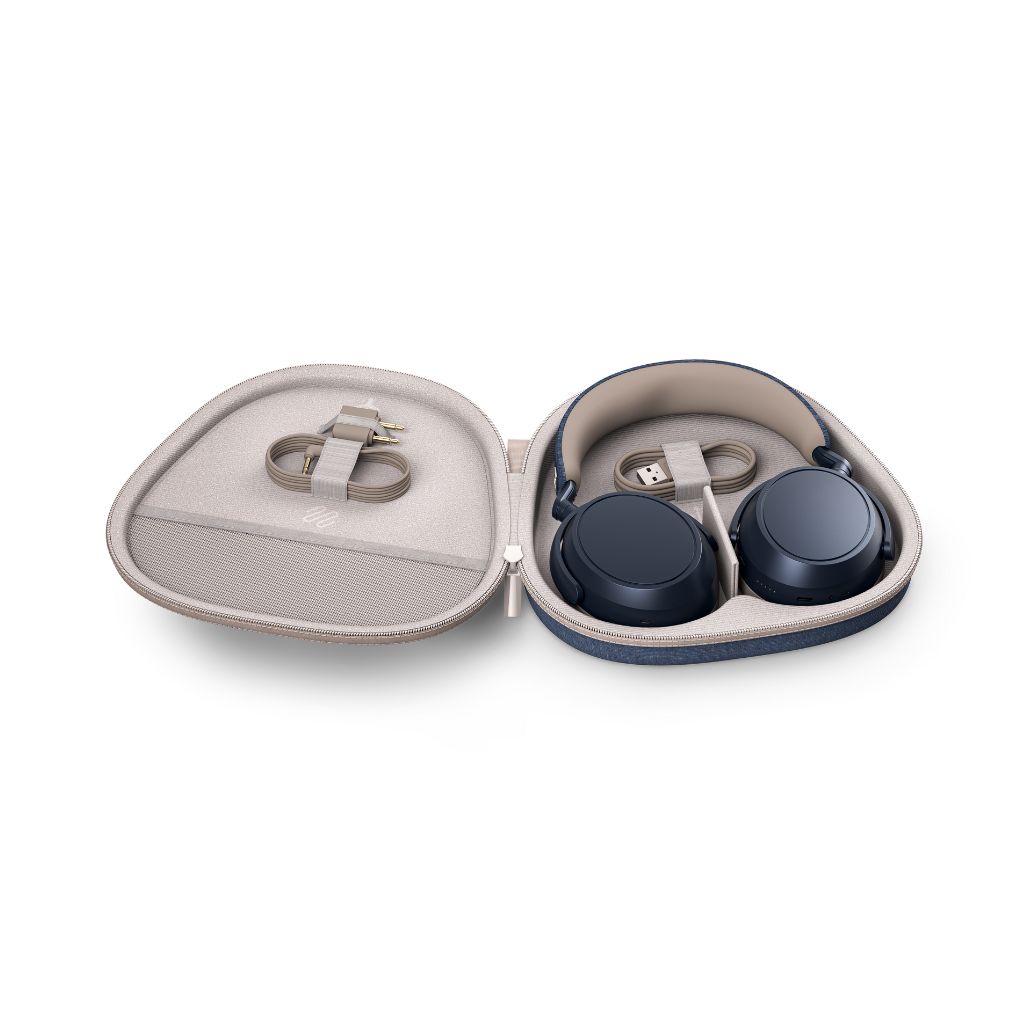
Closed-back headphones are not the best choice for critical listening, but they’re better for travelling than open-back. In fact, if you’re a frequent flyer, you might want to invest in noise-cancelling Bluetooth headphones.
I know what you’re thinking — those headphones are made for listening to music, not for making it. Their coloured sound may influence your mixing decisions. But a pair like Sennheiser’s MOMENTUM 4 can transform a dull flight into a productive writing session. You can adjust the EQ in the Sennheiser Smart Control app to make the headphones sound much flatter if needed.
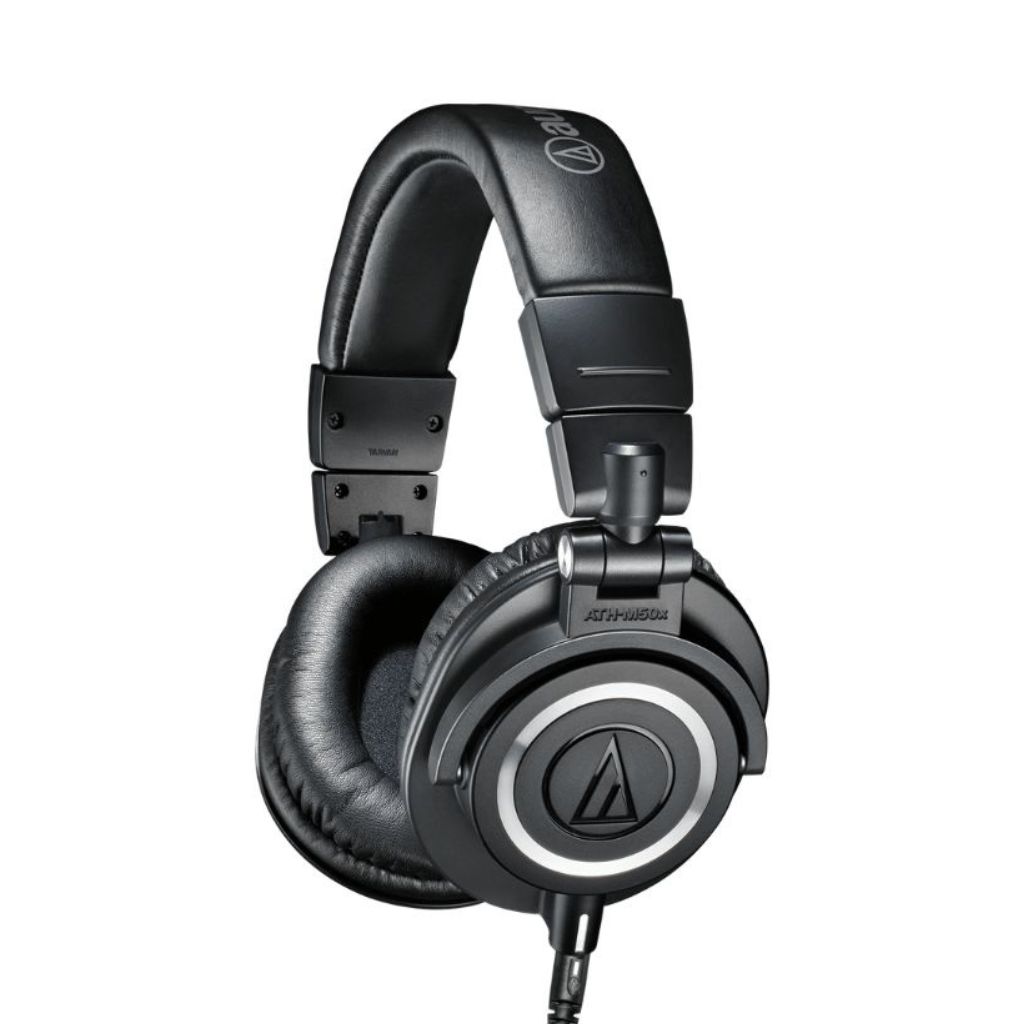
Still, Bluetooth headphones are unsuitable for recording due to latency issues. For tracking, you’re better off with a pair of studio headphones like Audio-Technica’s ATH-M50x. They’re foldable, which leaves room for cables and other accessories.
With today’s technology, you also have access to fully customisable headphone monitoring. For instance, Sony’s 360 Virtual Mixing Environment creates a digital copy of your studio’s acoustics. And Sonarworks’ SoundID lets you calibrate both studio monitors and headphones.
Microphones and instruments
Microphones may not be a priority in noisy locations, but you never know when you’ll want to record scratch vocals or sample found sounds. Having a sturdy dynamic microphone with a hypercardioid pattern, like the Audix OM5, can save you from missed opportunities.
If you’re interested in field recording but want to travel light, Zoom’s iQ7 Rotating Mid-Side Stereo Microphone will do the trick. It plugs directly into iPad and iPhone models with Lightning connectors and records in 16-bit/48 kHz resolution. With so many music creation apps available, such as Logic Pro for iPad, Ableton Note, and BandLab Studio, you may even be tempted to leave your laptop at home.
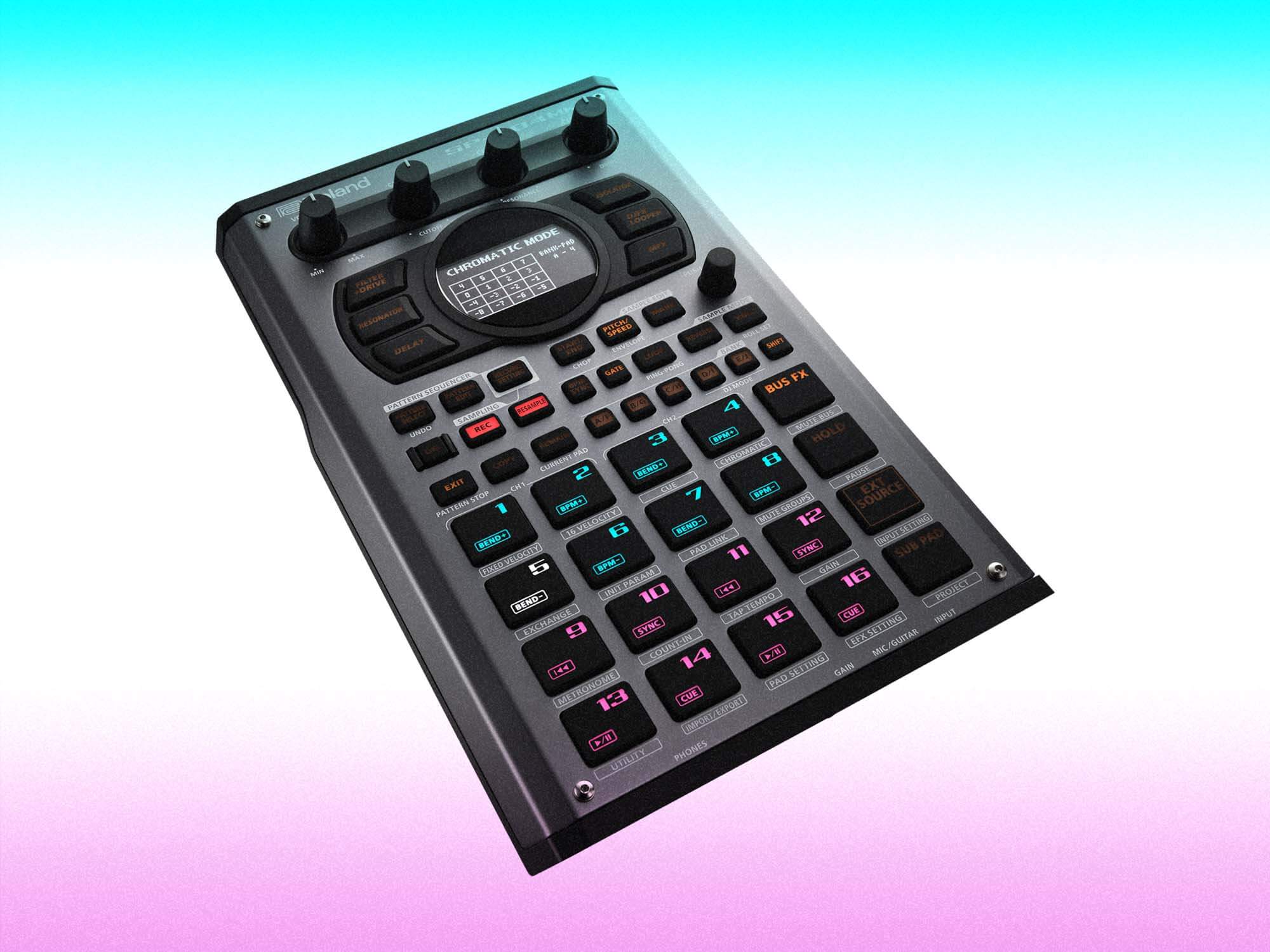
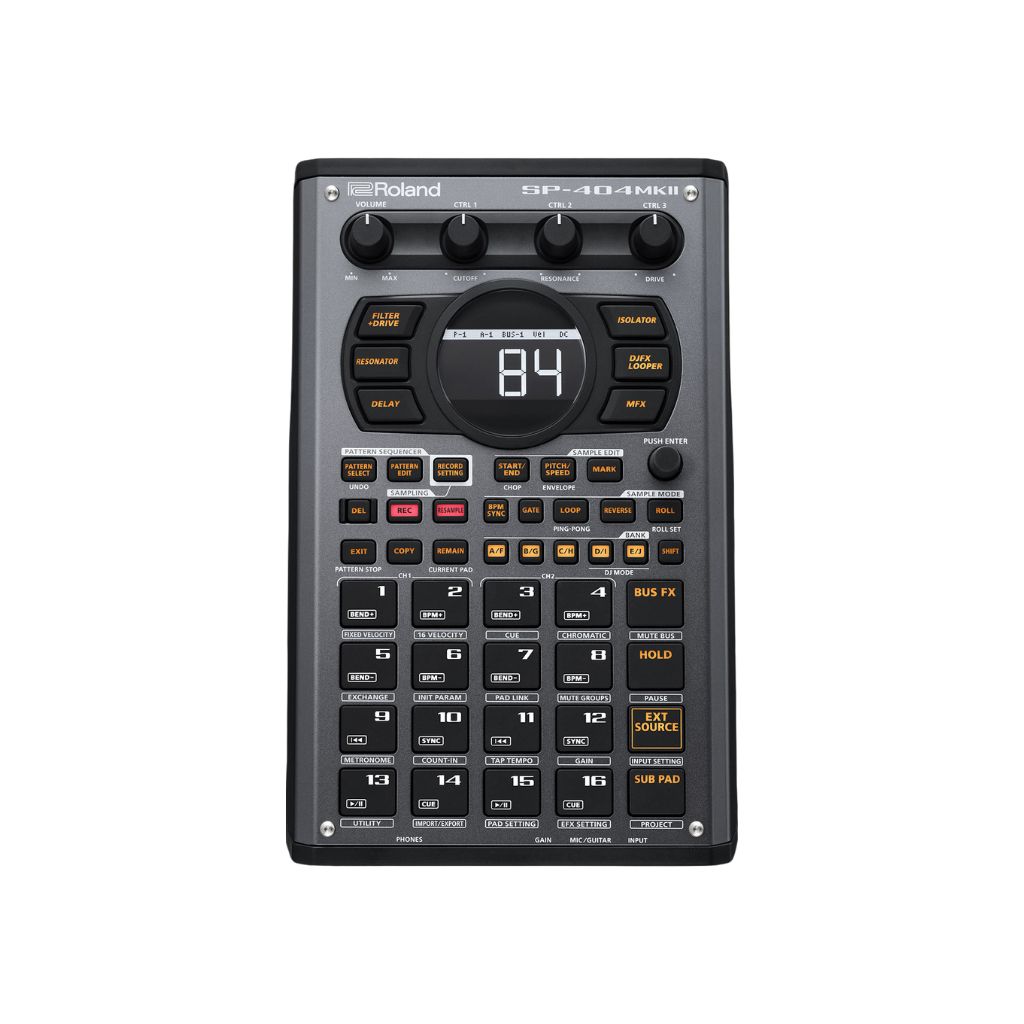
If you want to take a break from screens altogether, a standalone sampler can motivate you to build beats differently than you would with a DAW. Roland’s SP-404MKII has velocity-sensitive pads, mic/guitar inputs, a sound library, and a wide range of audio effects to choose from. You can record, loop, layer, and arrange in real time.
Once you solidify the basics of your travel rig, don’t forget to consider some fun add-ons. Pocket-sized synths from Teenage Engineering and Korg’s Volca series both provide rich, analogue sounds with little effort. They’re easy enough to understand for beginners, but also flexible enough to fit into modular setups.
With the right combination of compact gear and thoughtful planning, your holiday travels can become an extension of your studio.
Read more music technology buyer’s guides
[Editor’s Note: BandLab and MusicTech are both part of Caldecott Music Group.]


SIRMA is an Istanbul-born, New York-based artist, songwriter, and producer. With her distinctive vocal textures, she bends her sound across genres—from pop and electronic to ambient and cinematic soundscapes. Outside the studio, she writes for MusicTech and Roland Articles, diving into the creative and technical sides of music production.