


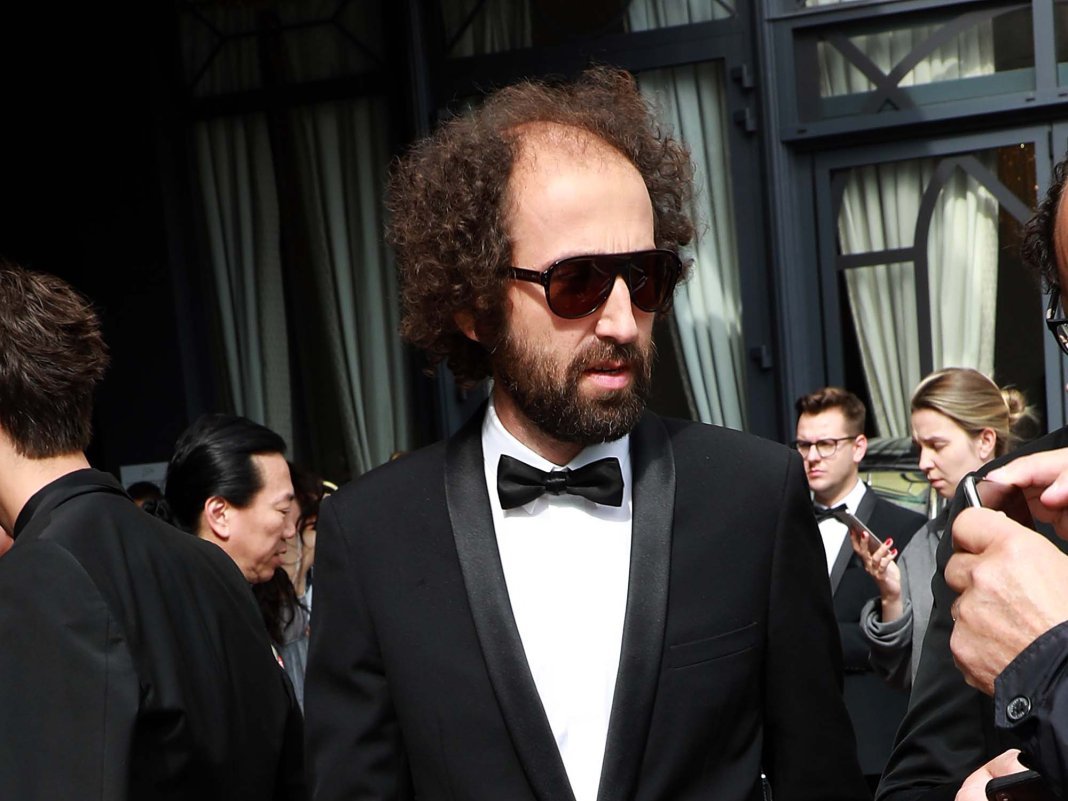
If you’re a Daft Punk fan, you’ll surely have thoughts on their 2010 Tron: Legacy score. The soundtrack has split fans for years, with some adoring it while others brand it a “total disappointment” from the Parisian electronic duo. However, it turns out Thomas Bangalter has picked his own side – and he seems frustrated by the score, branding the recording process “depressing” and “limiting”.
In a new episode of the A24 Podcast, Bangalter appears in conversation with Blood Orange’s Devonté Hynes to discuss all things film. Of course, it wasn’t long til Tron: Legacy cropped up. As Bangalter, Daft Punk accepted the job to experiment with symphonic textures. “Initially, [director Joseph Kosinski] was like, ‘I want you guys to do a full electronic score…’” Bangalter recalls. “[But] I’d done music like that for 15 years… [so I said] ‘No, we’re going to Hollywood, we’re going [to sound like] Fantasia, like it’s Disney with a full orchestra!’”
The vision was to rope in a full symphonic orchestra, and then mix electronics in the mid-range. However, that’s when the cracks began to show. “The problem was that anything in the medium range would conflict with dialogue,” he says. “[So] we ended up only using… this pulsing bass.”
Eventually, the group realised they could work in synth elements in the low range. But Bangalter admits that the process “was so limiting”, noting: “I had all these ideas… But the whole thing about a film score music is [you have to] take a step back [for the acting] performance, and not be in the way.”
The experience did teach him about the “magic chemistry between strings and dialogue” in film scores, however. Surprisingly, Bangalter believes that there’s more human soul in non-electronic instruments than their electronic counterparts. “Part of Daft Punk was working with electronic instruments, and it takes so much effort to bring soul to the sound of those synthesisers…” he admits.
“What I love about symphonic instruments is that you can have an orchestra and you can say, ‘okay, everybody play unison G,’ and then everybody plays that note, and you’ve got goosebumps…” he notes. “It’s [not] like that with electronic instruments.”
Despite Tron: Legacy opening his eyes to the importance of symphonic instruments, Bangalter does seem to mourn what the soundtrack could have been. “It’s always very depressing… when you you have these all these ideas… and then you end up having to go back to a more traditional way of doing it,” he says.
Thankfully, Bangalter didn’t hold back on his new score for French ballet group, Mirage, with album Mirage – Ballet For 16 Dancers. Following his more symphonic work on his previous ballet score, Mythologies, he’s taking a dip back into his electronic side. The score was greatly inspired by Greek composer Iannis Xenakis who specialised in avant-garde, microtonal compositions.
Get the MusicTech newsletter
Get the latest news, reviews and tutorials to your inbox.