


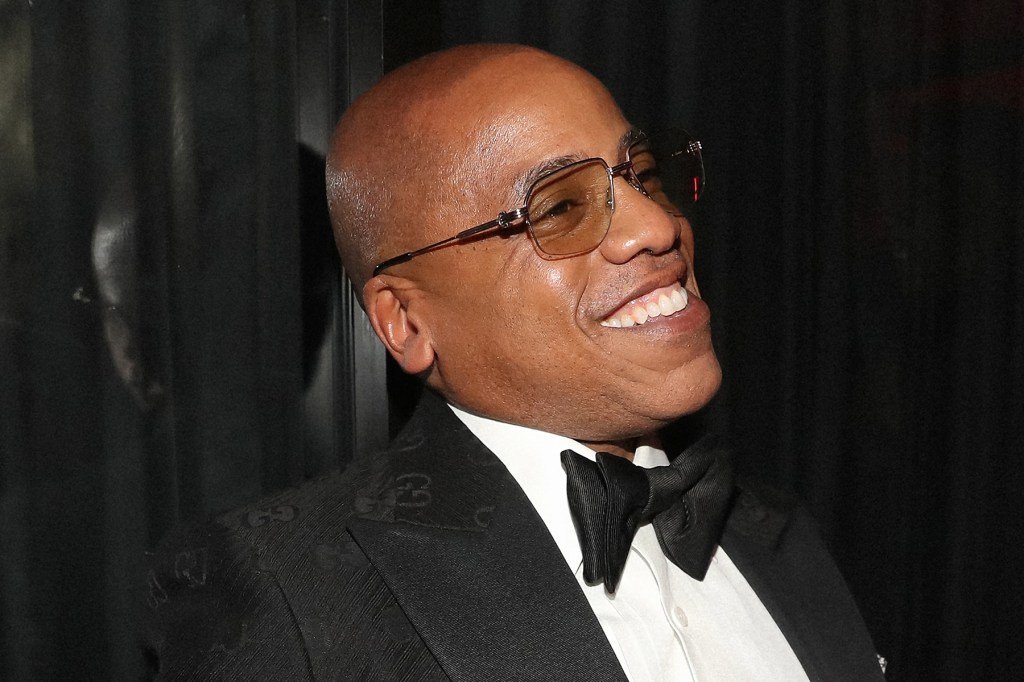
Since the ‘90s, Kedar Massenburg has occupied a unique space in Black music culture — part visionary, part architect, part cultural preservationist. To some, he is the executive who helped introduce the world to D’Angelo, Erykah Badu, and a generation of artists who recentered soul music around Black consciousness, live instrumentation, and ancestral pride. To others, he is the man who coined the term “neo-soul,” a phrase that would go on to define one of the most influential musical movements in modern R&B history.
According to Massenburg, what the world often misunderstands is that neo-soul was never created as a gimmick for commerce. “This ain’t no marketing bullshit,” Massenburg says emphatically. “This was a movement.”
The debate reignited recently after R&B singer and producer Raphael Saadiq, formerly of the legendary group Tony! Toni! Toné!, criticized the term neo-soul in an interview, suggesting it was a label created by executives to segment Black music and limit how major labels marketed certain artists. Massenburg, however, rejects that interpretation entirely, arguing that the phrase was born from culture, not corporate strategy.
“First of all, let’s be real clear,” he explains. “I wasn’t an executive when I created the term in 1995. I was a manager. It wasn’t created by an executive. It was created by a visionary from a cultural background.”
For Massenburg, neo-soul was less about sound and more about identity. The music carried a spiritual and cultural message that separated it from mainstream R&B of the era. The imagery mattered just as much as the records themselves. He points to the head wraps and Afrocentric styling of Erykah Badu, the cornrows and vintage soul aesthetic of D’Angelo, and the natural beauty and introspective lyrics of India.Arie as examples of a deliberate soul presentation.
“It was about the imagery and the message in the music,” he says. “It was about putting pride back into us.”
Massenburg insists the movement was rooted in Black consciousness, spirituality, and Black history. He cites Badu’s lyrics about “360 degrees of knowledge” and mathematics in the teachings of the Five Percent Nation. “You never saw my artists looking directly into the camera,” he says. “Everything meant something.” He recalls shaping visual identities that intentionally countered the hypersexualized imagery dominating music videos during the late 1990s.

Kedar Massenburg attends 2024 Imperial Crown Of Excellence Medal Of Honor Celebration at Bank of America Plaza on June 2 in Atlanta, Georgia.
Prince Williams/WireImage
Long before being named head of Motown Records in 1997 (a position he held until 2004), Massenburg had already developed a reputation as a tastemaker with an uncanny ear for artistry. He managed pioneering hip-hop acts like the foundational ‘80s group Stetsasonic, and worked with influential collectives including L.A.-based crew Freestyle Fellowship. He was deeply immersed in New York’s heavy Black Power culture, raised in a family connected to African-centered traditions and Islamic teachings.
“My family brought the word ‘nubian’ to the United States,” he says proudly. “Everything I did was intentional.”
That intentionality shaped the discovery and development of D’Angelo, who would become one of neo-soul’s defining figures. Massenburg recalls building the singer’s image around the spirit of classic soul icons like Marvin Gaye, while still creating something distinctly modern, rooted in a hip-hop-influenced space. From the sepia-toned visuals inspired by Gaye’s “What’s Going On” to the orchestra featured in the video for “Cruisin’,” Massenburg says every creative decision carried purpose. “I thought I had my Marvin Gaye,” he says. “I had my Diana Ross with Erykah.”
According to Massenburg, his involvement extended far beyond management. He sequenced albums, shaped visuals, created marketing strategies, and often guided the entire artistic direction of projects. He even says some of the interludes and background vocals on Long Time No See by Chico DeBarge were his own voice. “That Chico album is one of my favorites,” he muses. “I miss true artistry.”
Still, Massenburg’s relationship with the music industry has often been complicated. And even with the friction between him and Saadiq, Massenburg still praises his talent, calling him “a genius in his own right.” What bothers him most, however, is the suggestion that neo-soul lacked authenticity or cultural purpose. “Marketing schemes don’t last,” he says. “Movements do.”
Today, Massenburg is channeling that same entrepreneurial energy into an entirely different arena: spirits and luxury drinks. Through his company, Massenburg Celebrity Beverages, he is developing a growing portfolio that includes a wine joint venture with R&B legend Patti LaBelle’s Good Life brand, inspired by her bestselling sweet potato pie, proprietary liquor brands, and a series of dessert-inspired cream liqueurs designed specifically with people of color in mind.
Among the upcoming releases are three liquor flavors: sweet potato pie cream, banana cream pie flavor, and an apple-peach pie blend — all concepts Massenburg believes can become household staples.
“It’s going to be on every table,” he says.
He also owns Divine 9 Wine & Spirits and a luxury spirits brand called House of Soulé, which includes tequila and vodka lines. While he remains proud of his musical legacy, Massenburg admits the modern music business no longer fulfills him creatively. “I miss artist development,” he says. “I miss people standing for something.”
Even so, his fingerprints remain all over contemporary R&B. Artists like H.E.R., Leon Thomas, and Brent Faiyaz continue drawing from a lineage that Massenburg helped shape decades ago.
And whether critics embrace the term “neo-soul” or not, Massenburg remains firm in his stance on what it truly represents. “Neo means new,” he explains. “New soul music, reminiscent of our ancestors.”